

Telangana High Court upholds Union Bank's forfeiture of auction bidder's 25% deposit
The Telangana High Court held that Union Bank of India was entitled to forfeit Rs 4,48,250 paid by an e-auction winner who did not pay the balance price by the deadline.
Key points
- The Telangana High Court on 5 November 2026 dismissed a winning bidder's plea against Union Bank of India's forfeiture of an auction deposit.
- The bidder had paid Rs 4,48,250, or 25% of a Rs 17,93,000 bid, but did not pay the balance of Rs 13,44,750 due by 26 December 2025.
- The court held that under Rule 9(5) of the Security Interest (Enforcement) Rules, 2002, a lender may forfeit the deposit if the balance is not paid in time.
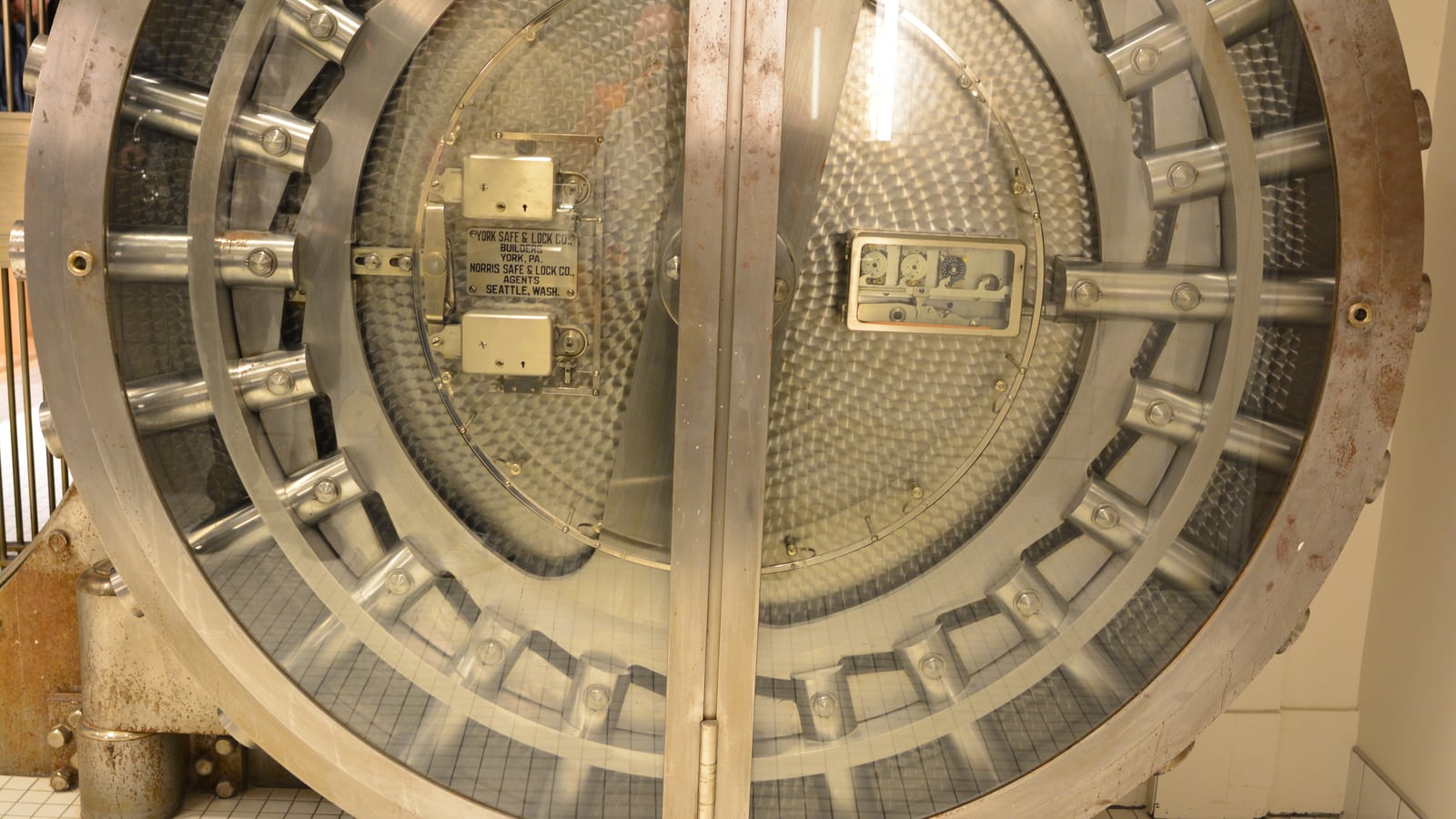
Photo: Joe Mabel / Wikimedia Commons, CC BY-SA 4.0 (cropped). Representational image.
The Telangana High Court on 5 November 2026 upheld Union Bank of India's decision to forfeit Rs 4,48,250 deposited by the winning bidder at a bank e-auction who could not pay the rest of the price in time. A division bench dismissed the bidder's writ petition, holding that the forfeiture followed the rules that govern sales of property taken over by lenders.
What Happened
According to the judgment, the bidder won an e-auction held by the bank on 11 December 2025 with a bid of Rs 17,93,000 and paid 25% of the price, Rs 4,48,250, including the earnest money deposit. The bank's sale intimation letter required the balance of Rs 13,44,750 by 26 December 2025. On 17 March 2026 the bank wrote to the bidder forfeiting the deposit and stating that the bidder would have no claim over the property or any amount it later fetched.
The bidder asked the court for a refund with 18% annual interest, and later limited the plea to the refund alone. The court found no written extension from the bank on record, and noted that the bidder's message seeking more time was sent at 7:30 pm on 17 March 2026, after the bank had issued its forfeiture letter that day.
The court held that Rule 9(4) of the Security Interest (Enforcement) Rules, 2002 requires the balance to be paid within 15 days of confirmation of sale, or within an extension agreed in writing of not more than three months, and that Rule 9(5) lets the lender forfeit the deposit on default. Relying on a 2024 Supreme Court ruling, it said the rule must be enforced so that it does not exist only on paper, and found no illegality or arbitrariness in the bank's action.
What It Means
For anyone bidding at a bank's auction of a property taken over from a borrower in default, the ruling shows that the 25% paid upfront can be lost in full if the remaining 75% is not paid by the deadline. Under the rules as the court read them, any extra time must be agreed in writing with the bank and cannot exceed three months. A request for more time sent after the forfeiture did not help the bidder here.
Source: High Court judgment
Sources & Citations
- High Court judgment — Telangana High Court