

Telangana High Court rejects borrowers' bid to stop Telangana Grameena Bank auction
The Telangana High Court dismissed borrowers' writ petition against a Telangana Grameena Bank auction notice, holding they had skipped the appeal route and hidden an earlier tribunal order.
Key points
- The Telangana High Court on 29 October 2026 dismissed a writ petition by three borrowers against a Telangana Grameena Bank e-auction notice.
- The court noted a tribunal stay had required a Rs 20 lakh deposit in two instalments by 8 September 2026, which the bank said was not paid.
- The court held the borrowers should have used the appeal under Section 18 of the SARFAESI Act and had suppressed a material fact.
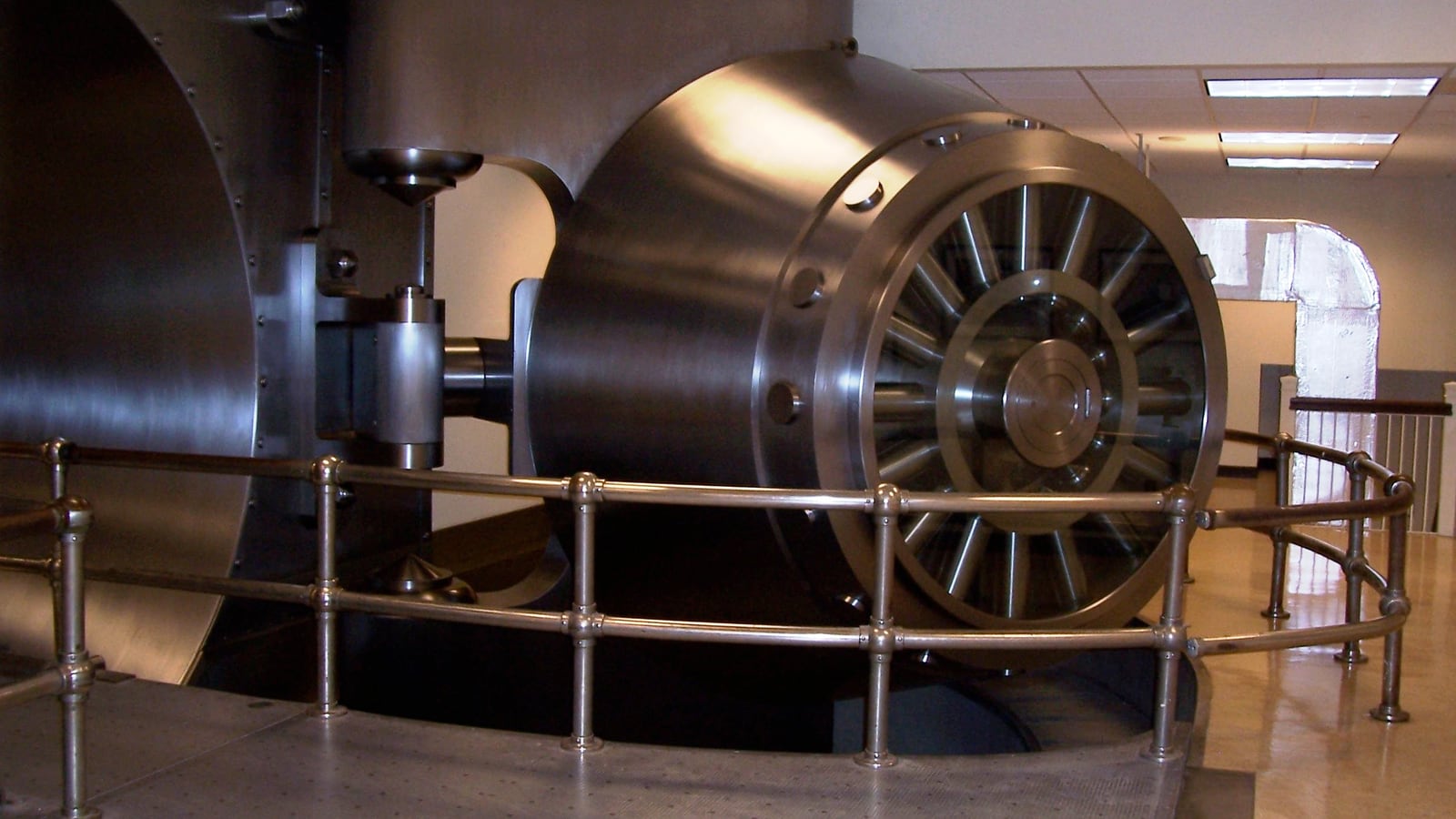
Photo: Spamguy at English Wikipedia / Wikimedia Commons, CC BY 2.5 (cropped). Representational image.
The Telangana High Court on 29 October 2026 dismissed a writ petition filed by three borrowers to stop Telangana Grameena Bank from auctioning their mortgaged property under the SARFAESI Act. A Division Bench held that the borrowers had not used the appeal the law provides and had suppressed an earlier order of the Debts Recovery Tribunal (DRT).
What Happened
The borrowers challenged an e-auction-cum-sale notice dated 27 September 2026 for a property they had mortgaged with the bank. The auction was due on 29 October 2026, and they filed the petition on 28 October 2026, more than a month after the notice was published, the court noted.
The bank's counsel told the court that one of the borrowers had already gone to the DRT at Hyderabad. On 11 August 2026 the tribunal had stayed further proceedings on the property on condition that Rs 20 lakh be deposited into the loan account in two equal instalments, by 25 August 2026 and 8 September 2026. According to the bank, no amount was deposited, so the protection ended after 8 September 2026.
The court gave three reasons for dismissing the petition. First, the borrowers had not used the appeal under Section 18 of the SARFAESI Act, which lies to the Debts Recovery Appellate Tribunal, and gave no plausible explanation. Second, they had suppressed the DRT's conditional order, which the court said would by itself be enough to dismiss the petition with costs; their counsel's lack of awareness of it did not change that. Third, no exceptional circumstances justified the High Court's writ jurisdiction. It made no order as to costs.
What It Means
The ruling shows that a borrower facing a SARFAESI auction is expected to use the tribunals the Act sets up, the DRT and then the appellate tribunal, before turning to a High Court. A stay that depends on a deposit lasts only if the deposit is made on time. And a borrower who goes to court must disclose every earlier order in the same dispute; hiding one can be enough to lose the case. A borrower with a complaint about a bank's service can also approach the RBI at https://cms.rbi.org.in.
Source: High Court judgment
Sources & Citations
- High Court judgment — Telangana High Court