

Kotak Mahindra Bank v Girnar Corrugators: Why an MSME Supplier's Facilitation Council Award Ranks Behind the Bank's SARFAESI Charge
The Supreme Court held on 5 January 2023 that SARFAESI Section 26E gives a bank's secured dues priority over an MSMED Act award. What it means for borrowers, guarantors and suppliers.
Key points
- The Supreme Court ruled on 5 January 2023 in Kotak Mahindra Bank v Girnar Corrugators that SARFAESI recoveries over secured assets prevail over MSMED Act recoveries.
- Section 26E of the SARFAESI Act, inserted in 2016, gives secured creditors priority over other debts, while the MSMED Act of 2006 has no express priority provision.
- An MSME supplier can still execute its award like other creditors, and any dispute over possession must go to the DRT under Section 17 within 45 days.
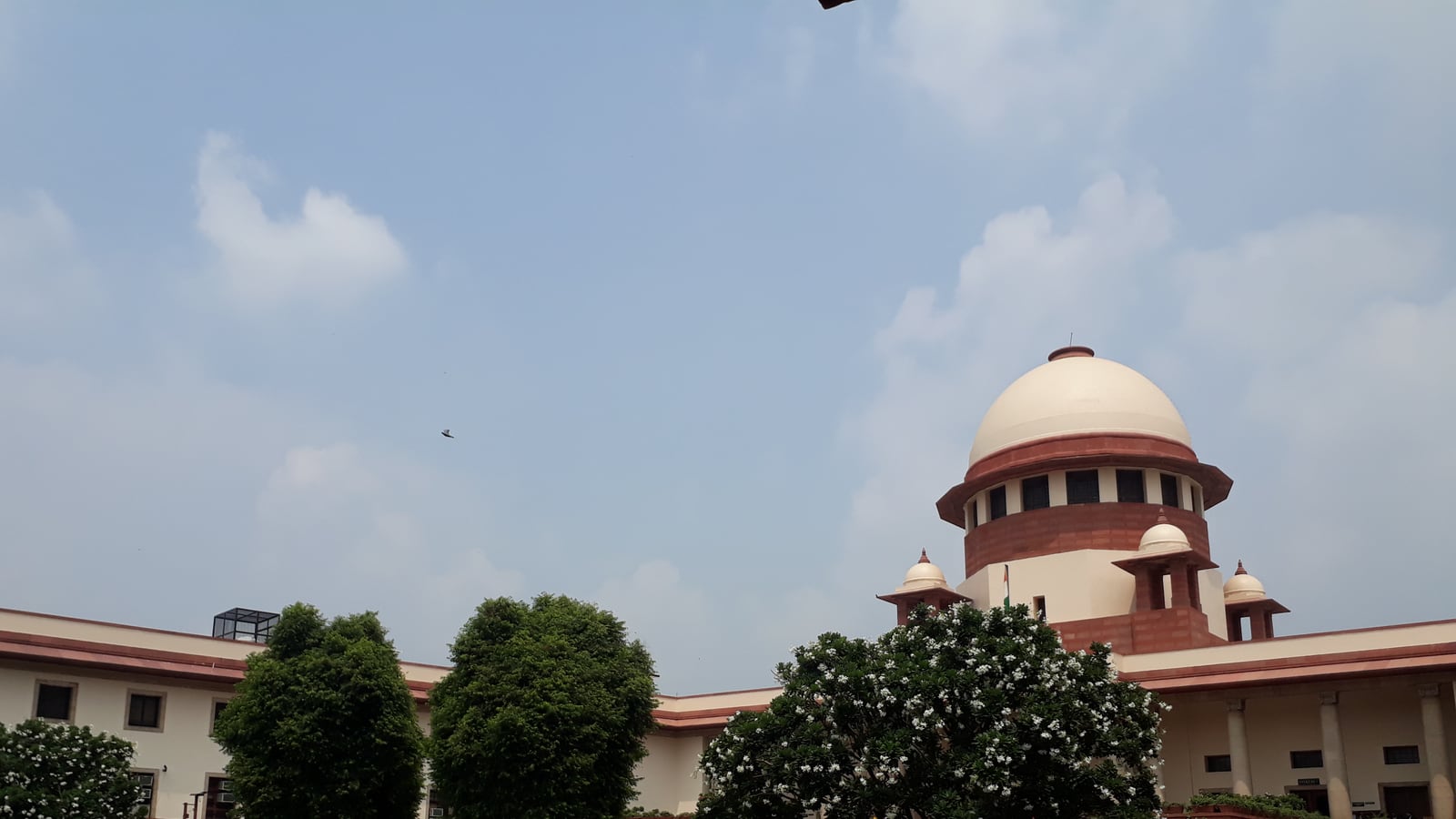
Photo: Pinakpani / Wikimedia Commons, CC BY-SA 4.0 (cropped). File photo.
On 5 January 2023, a two-judge bench of the Supreme Court of India settled a recurring collision in Indian debt recovery: what happens when a bank enforcing its security under the SARFAESI Act, 2002 runs into a small supplier holding an award under the Micro, Small and Medium Enterprises Development Act, 2006 (MSMED Act) against the same borrower. In Kotak Mahindra Bank Ltd. v. Girnar Corrugators Pvt. Ltd. & Ors., Civil Appeal No. 6662 of 2022, the bench of M.R. Shah J. (who wrote the judgement) and Krishna Murari J. held that "recoveries under the SARFAESI Act with respect to the secured assets would prevail over the recoveries under the MSMED Act" (para 11). The full text is on Indian Kanoon.
This playbook explains the statutory position, the procedure, the defences that remain open to borrowers, guarantors and unpaid MSME suppliers, and the practical lessons from the ruling. It is general legal information prepared by the Oquilia Research Desk, not legal advice; anyone facing a notice under SARFAESI should consult an advocate who practises before the relevant Debts Recovery Tribunal.
The Statutory Position
The dispute in Girnar Corrugators turned on two statutes with competing non-obstante (overriding) clauses, and on which of them came later. The bare acts are available on India Code.
| Provision | What it does | Relevance in Girnar Corrugators |
|---|---|---|
| SARFAESI Act 2002, Section 13(2) | 60-day demand notice once the account is classified as an NPA | Kotak issued this notice to the borrower, Mission Vivacare |
| SARFAESI Act 2002, Section 14 | Application to the Chief Metropolitan Magistrate or District Magistrate for possession; 30-day disposal mandate after the 2016 amendment | Kotak applied on 17.06.2014; allowed on 24.09.2014 |
| SARFAESI Act 2002, Section 17 | Appeal to the DRT against measures under Section 13(4), within 45 days | Held to be the correct forum for any aggrieved party (para 10) |
| SARFAESI Act 2002, Section 26E | Secured creditor's dues paid in priority over all other debts and government dues, subject to the IBC; inserted in 2016 with its own non-obstante clause | The decisive provision (para 7) |
| MSMED Act 2006, Sections 15 to 23 | Delayed-payment protection and reference of disputes to the MSME Facilitation Council | Girnar obtained its award on 11.09.2014 |
| MSMED Act 2006, Section 24 | Gives Sections 15 to 23 overriding effect over other laws | Held to create an adjudication mechanism, not a priority (paras 7-8) |
Why Section 26E won
The Division Bench of the Madhya Pradesh High Court had reasoned that the MSMED Act of 2006 was later in time than the SARFAESI Act of 2002, so its overriding clause in Section 24 should prevail. The Supreme Court rejected that reasoning in paras 7 to 9 for three connected reasons:
- No express priority in the MSMED Act. The court said "there is no specific express provision giving priority for payments under the MSMED Act". Sections 15 to 23 tell a supplier how to recover, not where it stands in the queue.
- Section 26E is the later law on priority. Section 26E was inserted into the SARFAESI Act in 2016, a decade after the MSMED Act of 2006. On the specific question of priority, the 2016 provision is later and carries its own non-obstante clause (para 7).
- The contrary view would empty Section 26E. If an MSMED award could jump ahead of a secured creditor, Section 26E "would be otiose" (para 9).
The ruling also preserves the supplier's position: the award-holder can still execute its award "like other debts / creditors" (para 8). It loses priority over the secured asset; it does not lose its claim.
Where the IBC sits
Section 26E is expressly subject to the Insolvency and Bankruptcy Code, 2016. Once insolvency commences, Section 14 of the IBC imposes a statutory moratorium on suits, recovery and transfer of assets until resolution or liquidation, and Section 53 sets the liquidation waterfall: insolvency costs, then secured creditors and workmen, then unsecured financial creditors, then government dues, then preference and equity shareholders. An unsecured trade supplier is not among the secured creditors at the top of that 2016 waterfall either, so the priority lesson of Girnar Corrugators carries into insolvency in a different form.
Procedure Step by Step
The timeline in Girnar Corrugators is a useful template, because it shows how a SARFAESI enforcement and an MSMED recovery can run in parallel against one borrower.
| Date | Event |
|---|---|
| Before 17.06.2014 | Kotak issues the Section 13(2) demand notice to Mission Vivacare |
| 17.06.2014 | Kotak applies to the District Magistrate under Section 14 |
| 11.09.2014 | MSME Facilitation Council passes award in favour of Girnar Corrugators |
| 24.09.2014 | District Magistrate allows Kotak's Section 14 application |
| After 11.09.2014 | Recovery certificates issued on the MSMED award |
| 21.03.2016 | Naib Tehsildar refuses to hand possession to Kotak, citing the MSMED recovery |
| 5 January 2023 | Supreme Court allows Kotak's appeal; single judge's order restored |
The general SARFAESI sequence, using the statutory periods confirmed in the Oquilia section briefs, runs as follows:
- NPA classification. The lender classifies the account as a non-performing asset. Section 31 excludes certain cases from the Act altogether, including financial assets below Rs 1 lakh, agricultural land, liens and crops.
- Section 13(2) demand notice. The secured creditor gives the borrower 60 days to discharge the liability in full.
- Section 13(3A) representation. Within the 60-day window, the borrower may object in writing. The creditor must reply with reasons within 15 days.
- Section 13(4) measures. If the borrower does not pay, the creditor may take symbolic or physical possession, sell or lease the asset, or appoint a manager, without going to court.
- Section 14 application. For physical possession, the creditor applies to the Chief Metropolitan Magistrate or District Magistrate, who is to dispose of it within 30 days under the post-2016 regime. In Girnar Corrugators, the application of 17.06.2014 was allowed on 24.09.2014.
- Section 17 appeal to the DRT. Any person aggrieved by a Section 13(4) measure may approach the DRT within 45 days.
- Section 18 appeal to the DRAT. An appeal from the DRT lies to the Appellate Tribunal within 30 days, subject to a pre-deposit described below.
Borrowers working out whether to settle, refinance or sell before Step 4 can model their position with the Oquilia loan foreclosure calculator and the debt consolidation calculator.
Borrower Defences Available
Girnar Corrugators is not a case about a borrower's defences; it is a contest between two creditors. But it shapes the defences available to three groups: the borrower, guarantors and other stakeholders, and unsecured trade creditors such as MSME suppliers.
For the borrower
| Stage | Defence or remedy | Statutory timeline | Deposit |
|---|---|---|---|
| After Section 13(2) notice | Written representation under Section 13(3A) | Within the 60-day notice period; lender replies within 15 days | None |
| After Section 13(4) measure | Securitisation application under Section 17 before the DRT | 45 days | Not mandatory; the DRT may direct one |
| After DRT order | Appeal under Section 18 to the DRAT | 30 days | 50% of the debt due (lower of the creditor's claim or DRT's figure); may be reduced to not less than 25% |
| Asset outside the Act | Objection that Section 31 excludes the asset or debt | At any stage | None |
Three practical points follow from the statute and the ruling:
- Use the Section 13(3A) window. A borrower who disputes the amount, the NPA classification or the description of the collateral should say so in writing within the 60 days, because the lender's 15-day reasoned reply builds the record for any later DRT challenge.
- A competing creditor is not a shield. A borrower cannot rely on a supplier's award, recovery certificate or attachment to stall the bank. After 5 January 2023, that argument fails on the secured asset.
- The DRT is the forum, not the District Magistrate. Para 10 holds that the officer acting under Section 14 cannot adjudicate disputes, so objections belong in a Section 17 application filed within 45 days.
For the MSME supplier holding an award
An MSME supplier with a Facilitation Council award against a borrower whose assets are mortgaged to a bank should read the judgement closely:
- The award stands. Para 8 confirms it can be executed "like other debts / creditors".
- The secured asset is not the target. The supplier ranks behind the secured creditor on that asset under Section 26E.
- Look elsewhere. Unencumbered assets, receivables and other property not charged to the bank remain open to ordinary execution.
- Insolvency changes the route. If insolvency proceedings begin, the IBC moratorium under Section 14 halts recovery and the Section 53 waterfall decides the order of payment.
Understanding the difference between a secured loan and an unsecured trade debt is the starting point for any supplier extending credit to a leveraged buyer.
For revenue officials
The judgement is a caution to officials who are asked to act on two recoveries at once. The Naib Tehsildar's refusal of 21.03.2016 was held to be "without jurisdiction" (para 10). An officer executing a Section 14 order performs a ministerial act; the question of competing claims goes to the DRT under Section 17.
Recent Tribunal/HC Position
The appeal reached the Supreme Court after the Madhya Pradesh High Court gave two conflicting answers. The briefing record notes that the High Court's writ appeal number is given inconsistently in the judgement itself, so this playbook does not cite it.
| Forum | Holding | Outcome |
|---|---|---|
| MP High Court, single judge | SARFAESI prevails over MSMED recovery | Bank's position upheld |
| MP High Court, Division Bench | MSMED Act 2006, being later, prevails over SARFAESI Act 2002 | Bank's position reversed |
| Supreme Court, 5 January 2023 (CA 6662 of 2022) | Section 26E, inserted in 2016, prevails; MSMED Act has no express priority provision | Appeal allowed; single judge restored |
What the Supreme Court decided
The question framed by the court was whether recoveries under the MSMED Act, 2006 prevail over recoveries under the SARFAESI Act, 2002. The answer, at para 11, was no, so far as the secured assets are concerned. The reasoning rests on four steps drawn from the judgement:
- Paras 7-8: Sections 15 to 23 of the MSMED Act, read with Section 24, set up a mechanism for adjudicating delayed-payment disputes; they do not create a charge or a priority.
- Para 7: Section 26E of the SARFAESI Act, inserted in 2016, expressly gives secured creditors' dues priority over all other debts and government dues, subject to the IBC; as the later provision with its own non-obstante clause, it prevails.
- Para 9: A contrary reading would make Section 26E otiose.
- Para 10: A District Magistrate or officer acting under Section 14 cannot decide disputes; the aggrieved party must go to the DRT under Section 17.
How it fits the wider framework
The ruling is consistent with the priority structure Parliament built in 2016, the same year the IBC was enacted with its Section 53 waterfall placing secured creditors near the top. In Girnar Corrugators, the court restored the single judge's view and set aside the Division Bench, so the bank's Section 14 order of 24.09.2014 stands as the operative order over the Dhar SEZ plots and movables. Readers should note that the judgement does not discuss every possible competing claim; it decides the contest between a SARFAESI secured creditor and an MSMED award-holder over secured assets.
For borrowers weighing whether a fresh loan can clear a secured dues position before enforcement reaches Step 5, the loan eligibility calculator gives a quick view of borrowing headroom.
FAQ
Does an MSME Facilitation Council award rank above a bank's SARFAESI charge?
No. In Kotak Mahindra Bank v. Girnar Corrugators (5 January 2023), the Supreme Court held that SARFAESI recoveries over secured assets prevail over MSMED Act recoveries, relying on Section 26E inserted in 2016 (paras 7 and 11).
Is the MSME supplier's award wiped out?
No. Para 8 of the judgement says the award-holder can execute its award "like other debts / creditors". It simply cannot take the secured asset ahead of the secured creditor.
Why did the later MSMED Act of 2006 not override the SARFAESI Act of 2002?
Because the MSMED Act has no express priority provision, while Section 26E, added to the SARFAESI Act in 2016, does. On the question of priority, the 2016 provision is the later law (para 7).
Can a District Magistrate or tehsildar refuse possession because of another creditor's claim?
No. Para 10 holds that an officer acting under Section 14 cannot adjudicate disputes. The Naib Tehsildar's refusal of 21.03.2016 was held to be without jurisdiction.
Where does a borrower or third party challenge a SARFAESI measure?
Before the DRT under Section 17, within 45 days of the Section 13(4) measure. An appeal from the DRT lies to the DRAT under Section 18 within 30 days, with a pre-deposit of 50% of the debt due, reducible to not less than 25%.
Does Section 26E apply once insolvency starts?
Section 26E is expressly subject to the IBC, 2016. After insolvency commencement, the Section 14 moratorium halts recovery and the Section 53 waterfall governs distribution in liquidation.
How long does a borrower have to respond to a Section 13(2) notice?
The notice gives 60 days to pay. Within that window the borrower may file a representation under Section 13(3A), and the lender must reply with reasons within 15 days.