

Karnataka High Court lets defamation case against SBI over defaulter notice go on
The Karnataka High Court has refused to quash a criminal defamation case against SBI and one officer over a newspaper notice that, the complainant alleges, wrongly named him a defaulter.
Key points
- The Karnataka High Court on 27 October 2026 refused to quash a defamation case against SBI and its authorised officer, but dropped it against two senior officials.
- The complainant alleges SBI named him a defaulter in a SARFAESI possession notice on 4 November 2018, after he had resigned as a director in 2016.
- The court held the SARFAESI Act shields bank officers only for acts in good faith; whether the notice was defamatory will be decided at trial.
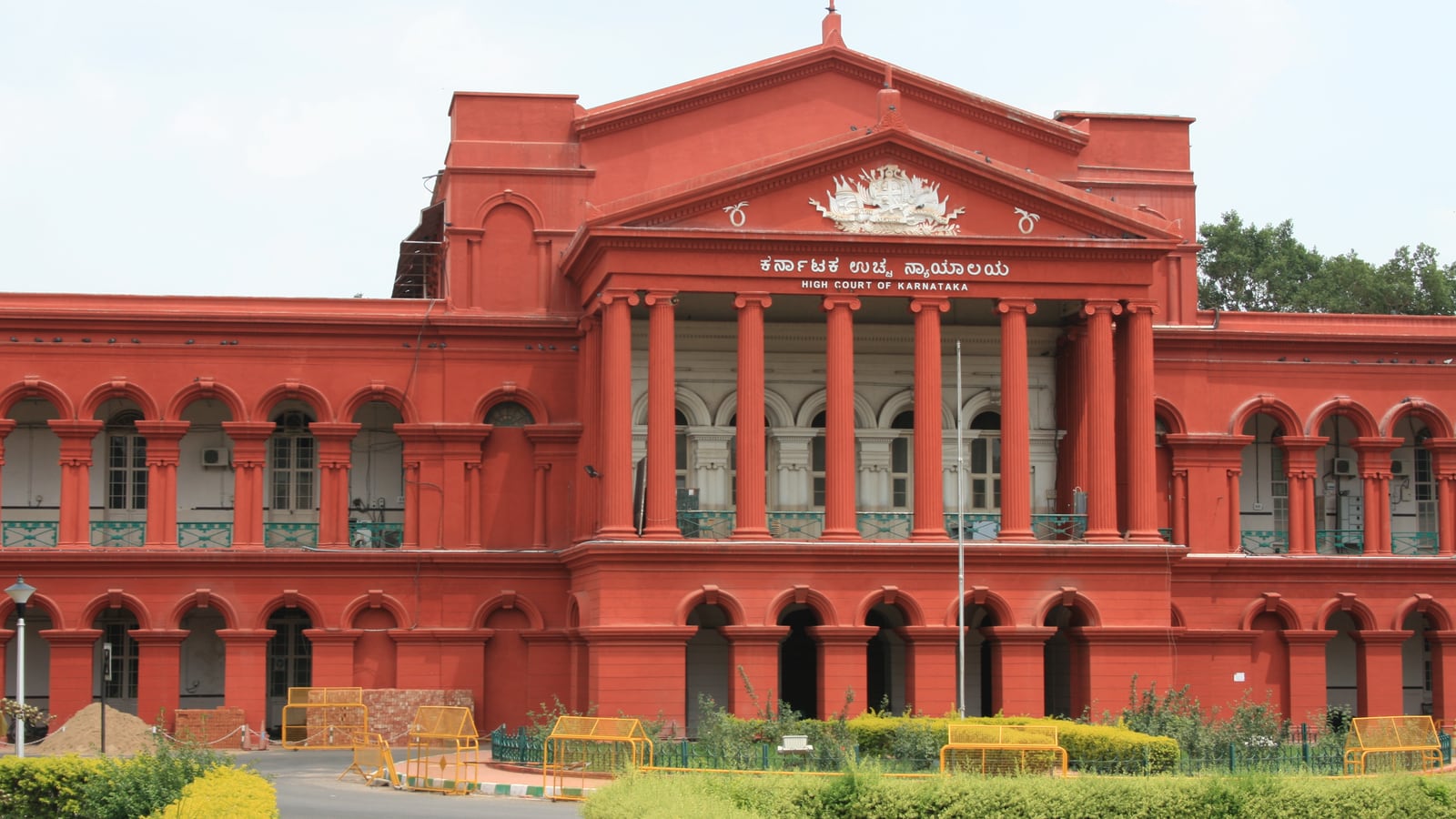
Photo: Polytropos-Commons / Wikimedia Commons, CC BY-SA 3.0 (cropped). File photo.
The Karnataka High Court on 27 October 2026 refused to quash a criminal defamation case against State Bank of India (SBI) and its authorised officer over a newspaper notice that, the complainant alleges, wrongly named him a loan defaulter. The court quashed the case against SBI's then chairman and a deputy general manager, but let it continue against the bank and the officer who published the notice.
What Happened
The complainant, a former whole-time director of Bharath Infra Exports and Imports Ltd, says he resigned as director on 17 October 2016 and told both SBI and the Registrar of Companies. According to his complaint, SBI on 4 November 2018 published a possession notice under the SARFAESI Act, the law that lets banks take over assets pledged for loans, in newspapers naming him as a defaulter, even though he had resigned and, he says, was not a guarantor. He alleges the bank did not withdraw it after his legal notice of 22 November 2018.
A Bengaluru magistrate issued process for defamation on 16 January 2019. The bank argued the dispute was civil, that recovery proceedings were pending before the Debt Recovery Tribunal, and that Section 32 of the SARFAESI Act protects its officers.
The court held that Section 32 protects only acts done in good faith, and that the complaint, taken at face value, made out a prima facie case against the bank and the authorised officer. It found no specific allegation of a personal role against the chairman or the deputy general manager, but said they could be added later if material emerges.
What It Means
The ruling is not a finding that SBI defamed anyone. Whether the complainant was a guarantor, and whether the notice was published in good faith, will be tested at trial. These are allegations, not findings of guilt; the accused are presumed innocent until proven guilty in court, and due process continues.
For borrowers and former directors, the ruling shows that the SARFAESI Act's protection for bank officers covers only acts done in good faith. A customer with a complaint about a bank's service can approach the RBI at https://cms.rbi.org.in.
Source: High Court judgment
Sources & Citations
- High Court judgment — Karnataka High Court