

Allahabad High Court says SBI cannot bar settlement of subsidised MSME loan
The Allahabad High Court held that SBI cannot refuse a one-time settlement merely because the state pays interest on a self-employment loan, and ordered a decision in two months.
Key points
- The Allahabad High Court on 22 October 2026 rejected SBI's stand that a subsidised MSME loan cannot be settled.
- The court ordered SBI to decide a borrower's request on a Rs 3,02,000 loan by a reasoned order within two months.
- No coercive recovery is allowed for three months or until the bank decides, whichever is earlier, the court ordered.
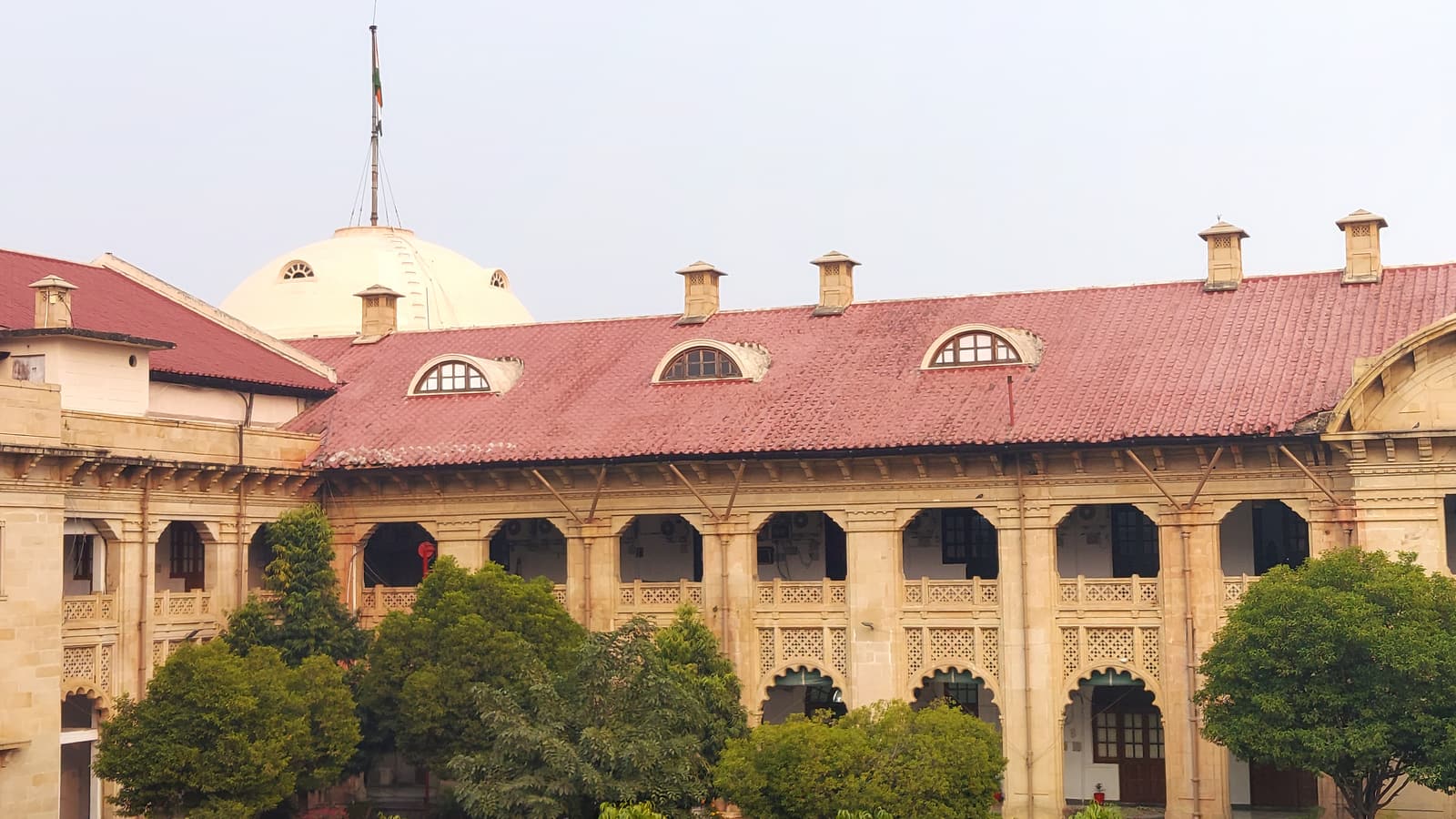
Photo: Subhashish Panigrahi / Wikimedia Commons, CC BY-SA 4.0 (cropped). File photo.
The Allahabad High Court on 22 October 2026 held that State Bank of India cannot refuse to consider a one-time settlement of a small self-employment loan merely because the loan was given under a government scheme in which the state pays part of the interest. The court directed SBI's Regional Manager in Mirzapur to decide the borrower's request by a reasoned order within two months, and barred coercive recovery in the meantime.
What Happened
A borrower had taken a loan of Rs 3,02,000 from SBI under the Mukhyamantri Yuva Self Employment Scheme to set up a small paper-plate manufacturing unit. According to her petition, the bank paid the machinery supplier directly. She alleged that the supplier first quoted Rs 1,28,000 for the machine but supplied it against a quotation of Rs 2,25,000, and that the machine repeatedly broke down. The court did not rule on these claims. She asked the bank to consider taking back the machine, a one-time settlement (OTS, a negotiated closure of the loan) and adjustment of the subsidy.
SBI argued that OTS was unavailable because the loan was given under an MSME scheme in which the state government bears the interest. A two-judge bench rejected that argument. Relying on the Supreme Court's 2024 ruling in Pro Knits v. Canara Bank, the court said the framework for revival and rehabilitation of micro, small and medium enterprises is binding on banks and keeps OTS available. The state's payment of interest may affect subsidy accounting or settlement terms, the court held, but "does not, by itself, establish a complete bar".
What It Means
For small borrowers under government-backed self-employment schemes, the ruling means a bank must examine what settlement, restructuring or other help is available under the applicable framework instead of refusing outright. The court also noted that an enterprise must establish its MSME status and eligibility at the relevant stage.
The order does not grant a settlement; SBI must hear the borrower and decide on the machinery complaint, the subsidy and any settlement option. No coercive recovery can be taken for three months from the order or until the bank decides, whichever is earlier. Complaints about a bank's handling of a loan account can be filed with RBI at https://cms.rbi.org.in.
Source: High Court judgment
Sources & Citations
- High Court judgment — Allahabad High Court