

Allahabad High Court lets DRT Lucknow hear borrower's SARFAESI case against SBI
The Allahabad High Court on 28 October 2026 dismissed SBI's plea and held that DRT Lucknow can hear a borrower's challenge because the bank's SARFAESI demand notice was issued from Lucknow.
Key points
- The Allahabad High Court on 28 October 2026 dismissed State Bank of India's challenge to DRT Lucknow's jurisdiction over a borrower's case.
- The bank's demand notice of 1 September 2017 for Rs 65.41 crore was issued from its Lucknow office, and the court held that gave DRT Lucknow jurisdiction.
- Borrowers may challenge recovery action where part of the cause of action arose, including where the bank's demand notice was issued.
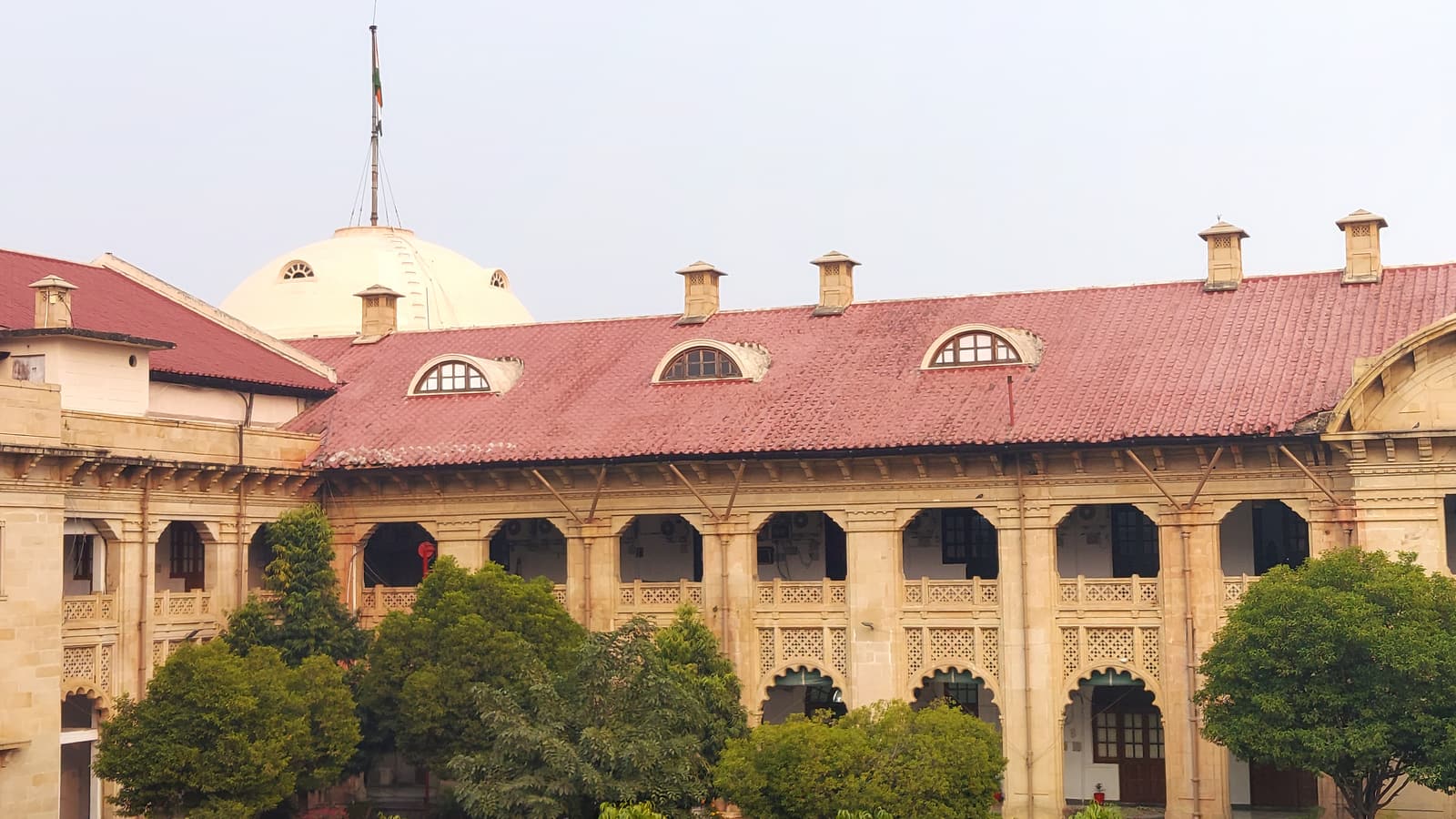
Photo: Subhashish Panigrahi / Wikimedia Commons, CC BY-SA 4.0 (cropped). File photo.
The Lucknow bench of the Allahabad High Court on 28 October 2026 dismissed a petition by State Bank of India (SBI) and held that the Debts Recovery Tribunal (DRT) at Lucknow can hear a borrower's challenge to the bank's recovery action. The court held that because the bank had issued its demand notice under the SARFAESI Act from Lucknow, part of the cause of action arose there.
What Happened
According to the judgment, SBI's Varanasi branch gave the borrower credit facilities in 2004, secured by properties in Varanasi and Bihar. The account was classified as a non-performing asset on 15 July 2016 and moved to the bank's Stressed Assets Management Branch in Lucknow. On 1 September 2017 that branch issued a notice under Section 13(2) of the SARFAESI Act demanding Rs 65,41,35,169, or about Rs 65.41 crore. The account was later moved to a New Delhi branch.
The borrower challenged a District Magistrate's order of 10 August 2026 in Bihar before DRT Lucknow. SBI objected that DRT Lucknow had no territorial jurisdiction, saying the case belonged in Prayagraj, Bihar or New Delhi. DRT Lucknow rejected the objection on 10 September 2026.
The High Court held that Section 17(1A) of the SARFAESI Act lets a borrower file where the cause of action arises wholly or in part, where the secured asset is located, or where the bank office holding the account is. Relying on a larger bench ruling of the same court, it held that the Section 13(2) notice forms a chain with later recovery action. Since that notice came from Lucknow, DRT Lucknow had jurisdiction.
What It Means
For borrowers facing SARFAESI action, the ruling confirms that more than one tribunal may be open to them. Moving a loan account to another branch or city does not by itself remove the jurisdiction of the tribunal where the demand notice was issued.
The court did not decide the borrower's challenge itself; that remains before DRT Lucknow. Borrowers with a complaint about a bank's service can also approach the RBI at https://cms.rbi.org.in.
Source: High Court judgment
Sources & Citations
- High Court judgment — Allahabad High Court