

Supreme Court orders school to pay Rs 10 lakh each to two clerks it dismissed
The Supreme Court found a Maharashtra school did not comply with a Bombay High Court consent order and directed it to pay two former clerks Rs 10 lakh each as compensation for wrongful termination.
Key points
- The Supreme Court on 18 November 2026 directed a Maharashtra school to compensate two clerks it had removed from service.
- Each clerk, or the heirs of one who has died, gets Rs 10 lakh within three months, with 12% annual interest if the school pays late.
- The court used its Article 142 power, saying the clerks would have got larger relief had their writ petitions been appropriately drafted.
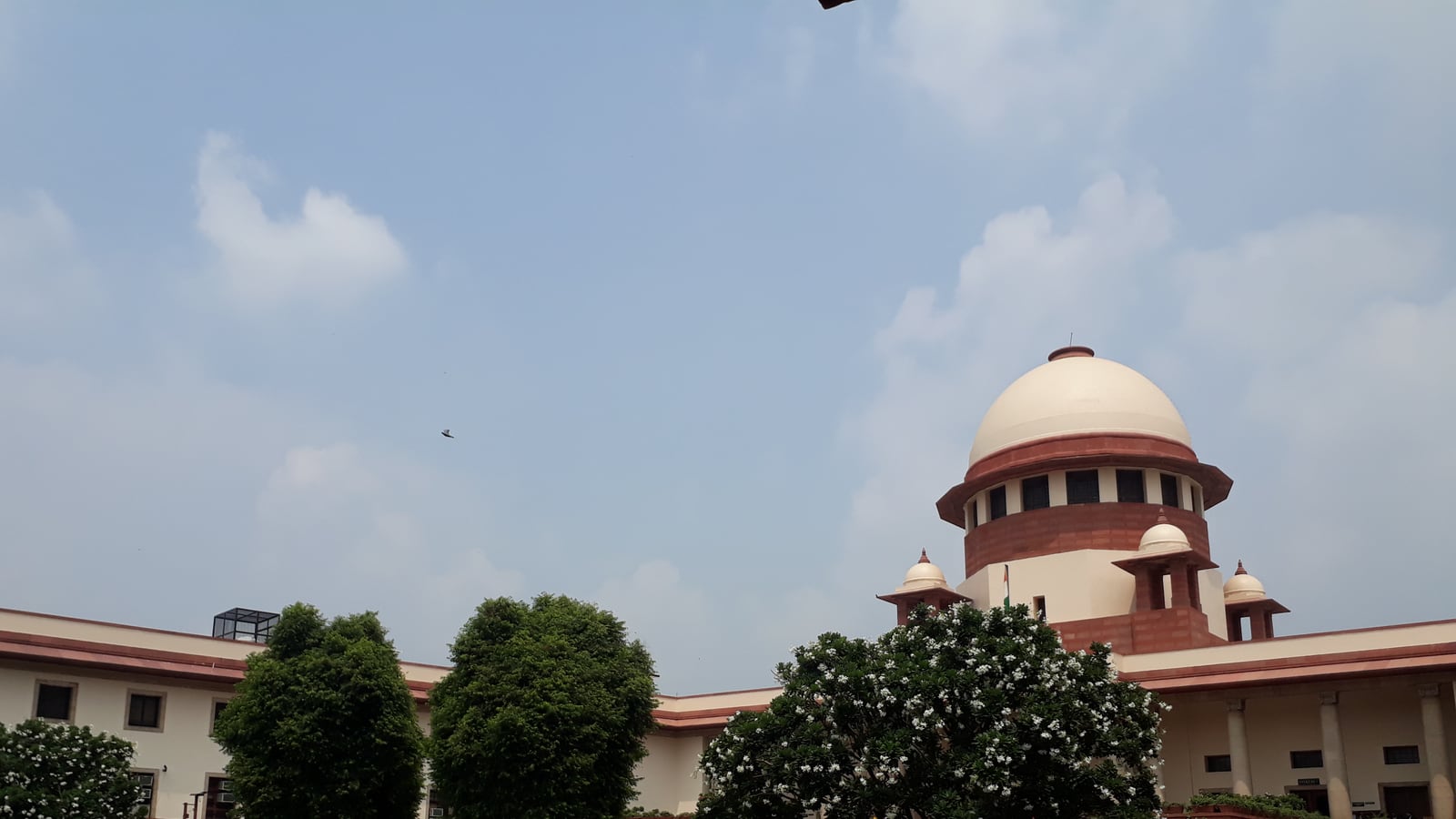
Photo: Pinakpani / Wikimedia Commons, CC BY-SA 4.0 (cropped). File photo.
The Supreme Court has directed a Maharashtra school to pay Rs 10 lakh each to two former clerks as lump sum compensation for wrongful termination of their services. In its judgment of 18 November 2026 (Civil Appeal Nos. 10193-10194 of 2016, 2026 INSC 1241), the court found that the terms of an earlier consent order of the Bombay High Court were not adhered to or complied with by the school.
What Happened
A senior clerk and a head clerk of the school were proceeded against departmentally for misappropriation of public money and allied charges, according to the judgment. They objected to members of the inquiry committee and, when an objection to a newly inducted member was rejected, stayed away, and the inquiry went ahead without them. Neither the minutes of the inquiry nor the final inquiry reports were given to them before they were removed from service, the court recorded.
In March 2005 the Bombay High Court, by consent, left it open to the school to apply to the School Tribunal, Mumbai, for leading evidence to substantiate the charges. The court found that the school chose not to do so, and the tribunal dismissed the clerks' appeals in July 2006 anyway. The High Court dismissed their writ petitions in June 2016.
The Supreme Court held that the arguments on the tribunal's orders went beyond what the writ petitions had pleaded, and said it could have dismissed the appeals for that reason. But it found there was "no evidence worth the name" before the tribunal to hold the charges established, and that an action wholly contrary to an express judicial order is a nullity. Using its power under Article 142 of the Constitution, it ordered the payment as full and final settlement of all dues.
What It Means
The school must pay within three months of receiving the order, to the heirs of the clerk who has since died and to the surviving clerk. If it does not, it must pay interest at 12% a year until the money is released.
The court said the clerks would have been entitled to larger relief if their petitions had been appropriately drafted and the right points argued. It also said a party must plead its case by making the averments in support of the relief it claims, and a court is under no obligation to entertain a plea not supported by the petition.
Sources & Citations
- Supreme Court judgment (LiveLaw copy) — Supreme Court of India