

Supreme Court rules lenders cannot withdraw resolution plan once placed before NCLT
The Supreme Court held that lenders led by Bank of India could not withdraw an approved resolution plan for a toll-road company because its finances had improved, and sent the matter back to the NCLT.
Key points
- The Supreme Court on 26 October 2026 declined to interfere with an NCLAT order that stopped lenders led by Bank of India withdrawing an approved plan.
- The lenders said the company's cash had risen to Rs 165 crore from Rs 30 crore, against a plan amount of Rs 172.55 crore.
- The NCLT must now decide the plan and the holding company's settlement offer together, as quickly as possible.
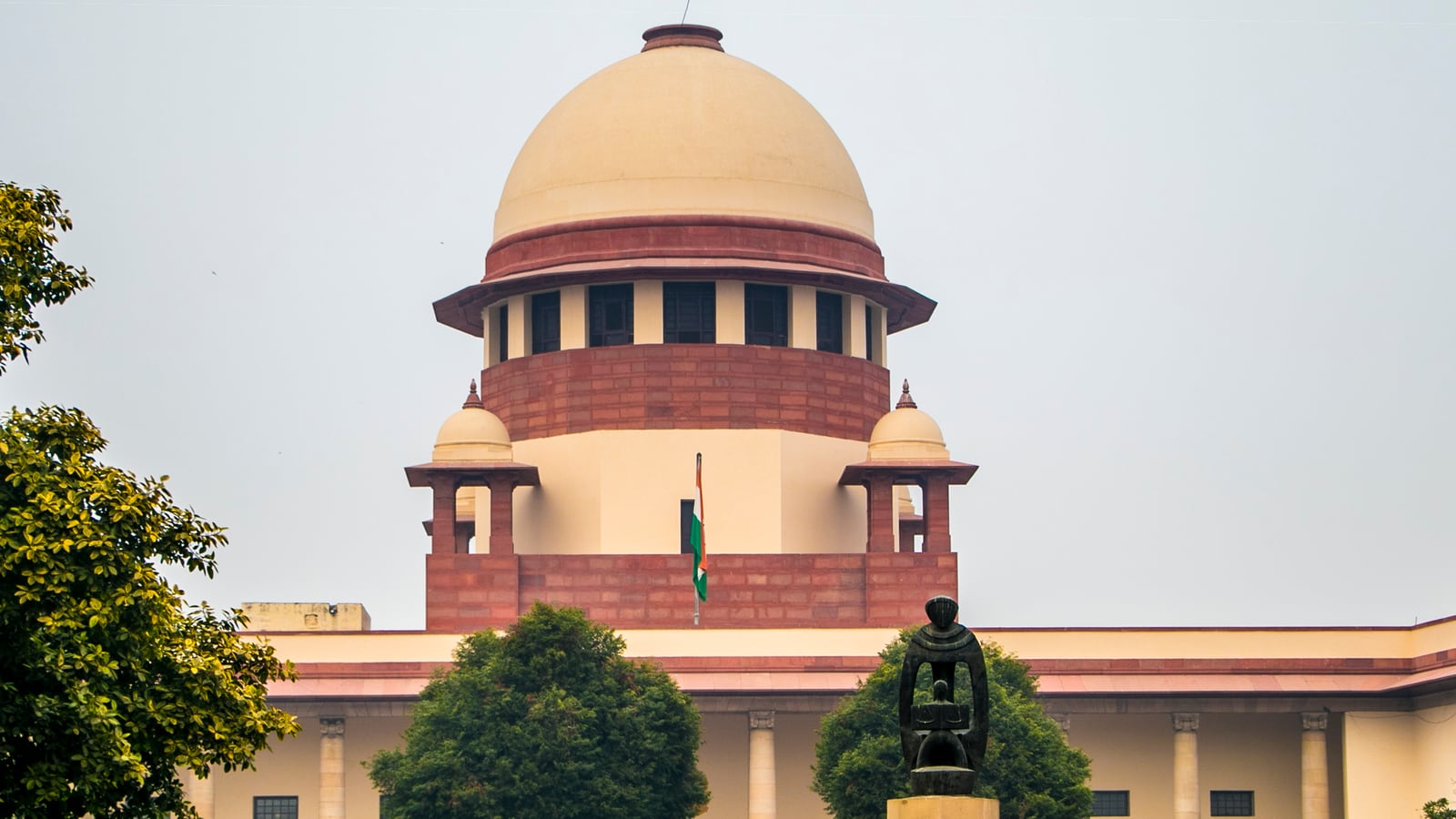
Photo: Subhashish Panigrahi / Wikimedia Commons, CC BY-SA 4.0 (cropped). File photo.
The Supreme Court has held that once lenders approve a resolution plan and it is placed before the National Company Law Tribunal, they cannot withdraw it because the company's finances have since improved. In a judgment delivered on 26 October 2026, the court declined to interfere with an appellate tribunal order against six lenders led by Bank of India, and asked the tribunal to decide the case as quickly as possible.
What Happened
The company in insolvency collects tolls on National Highway 45, a business that the lenders said had suffered during the Covid-19 pandemic. Its committee of creditors approved a resolution plan with a resolution amount of Rs 172.55 crore. According to the lenders, the company's opening balance was Rs 30 crore when the plan was submitted, but rose to Rs 165 crore while approval was delayed by earlier litigation, giving the successful bidder a windfall.
The lenders unanimously sought to withdraw the plan and invite fresh bids, and the National Company Law Tribunal allowed it. The National Company Law Appellate Tribunal reversed that, holding that the committee of creditors had no power to withdraw the plan. The company's holding company has separately offered a one-time settlement to end the insolvency.
The Supreme Court held that a withdrawal under the Insolvency and Bankruptcy Code is possible only until the committee approves the plan, and that once the plan is placed before the tribunal, neither the application nor the approved plan can be withdrawn. It said an approved plan binds both the lenders and the bidder.
What It Means
The National Company Law Tribunal must now take up the application to approve the plan and the holding company's settlement offer together. The court said the tribunal must check the company's current financial position and cash balance against the plan's terms, and that improved profits alone cannot be a reason to refuse approval if the plan meets the law's requirements. Apart from the binding nature of the plan, the court said its observations were prima facie and would not govern the tribunal's final decision. For banks and bidders in insolvency cases, the ruling means lenders cannot reopen an approved deal at the tribunal stage simply because the company is doing better.
Source: Supreme Court order
Sources & Citations
- Supreme Court order — Supreme Court of India