

NCLAT quashes insolvency of GS Megha Constructions after Rs 50 crore settlement
The NCLAT set aside the insolvency of GS Megha Constructions after the company paid Omkara ARC Rs 50 crore under a one-time settlement, holding there was no default as on date.
Key points
- The NCLAT's Chennai Bench on 20 November 2026 quashed the order that put GS Megha Constructions into insolvency.
- Per the order, the company paid Rs 50 crore under a one-time settlement against a claimed default of about Rs 129.74 crore.
- The tribunal did not decide the merits; its order may be appealed to the Supreme Court.
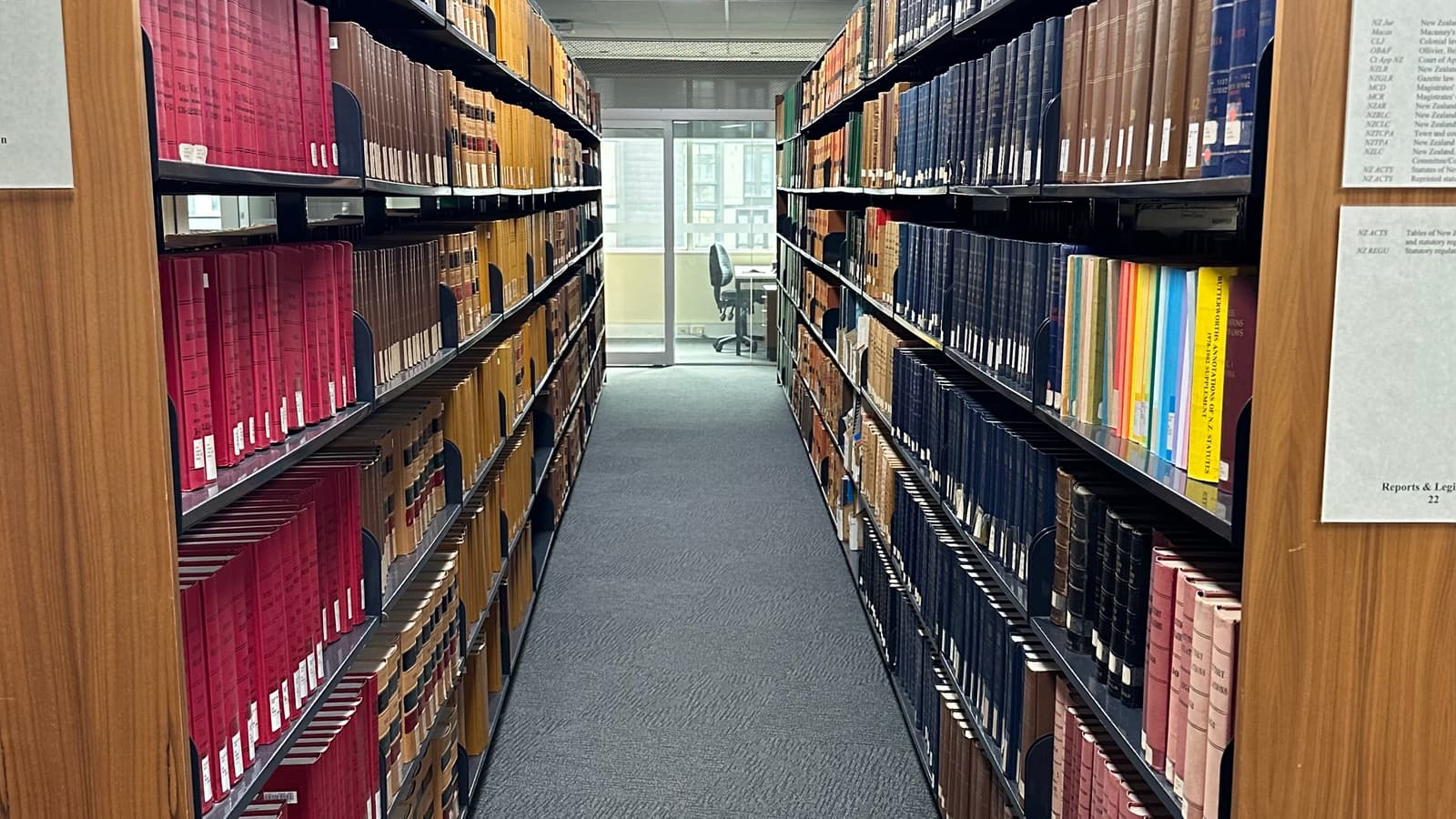
Photo: MaxnaCarta / Wikimedia Commons, CC BY-SA 4.0 (cropped). Representational image.
The National Company Law Appellate Tribunal (NCLAT) on 20 November 2026 set aside an order that had put Hyderabad-based GS Megha Constructions Private Limited into insolvency, after the company and its lender, Omkara Assets Reconstruction Private Limited, settled the dues. Per the order, the company paid Rs 50 crore under a one-time settlement against a claimed default of about Rs 129.74 crore.
What Happened
According to the order of the NCLAT's Chennai Bench, the company had been sanctioned a term loan of Rs 60 crore by DHFL in 2015. The company said only Rs 33.5 crore was actually disbursed. The loan was assigned to Piramal Capital and Housing Finance Limited in 2021 and then to Omkara, an asset reconstruction company, by a deed dated 10 January 2023.
Omkara applied under Section 7 of the Insolvency and Bankruptcy Code, which lets a financial creditor seek insolvency proceedings, claiming a default of Rs 1,29,73,95,652 as on 31 May 2024. The National Company Law Tribunal admitted the company into the corporate insolvency resolution process on 8 January 2026.
The company appealed. Per the order, Omkara had issued a letter of intent on 18 December 2025 accepting Rs 50 crore as full and final settlement, and the company paid Rs 5 crore upfront. The NCLAT kept the insolvency order in abeyance on 27 January 2026. The company told the tribunal it had paid the entire Rs 50 crore by 7 October 2026, and both sides confirmed this.
The tribunal held that there was no default as on date, quashed the order of 8 January 2026 and closed the appeal in terms of the settlement. It said it was not deciding the merits of the appeal.
What It Means
The company is out of the insolvency process, and its board, which had been suspended, regains control. The case shows that a borrower and a lender can settle dues even after a tribunal admits a company into insolvency, and an appeals tribunal can then set the admission aside.
The order did not rule on the legal questions the company had raised about the tribunal's discretion to defer admission. The NCLAT's order may be appealed to the Supreme Court.
Source: NCLAT order
Sources & Citations
- NCLAT order — National Company Law Appellate Tribunal