

NCDRC orders United India Insurance to pay Rs 14.4 lakh money-in-transit claim
The National Consumer Commission held that United India Insurance wrongly rejected a Gujarat money changer's claim for foreign currency lost in transit in 2007.
Key points
- The National Consumer Disputes Redressal Commission held on 30 October 2026 that United India Insurance wrongly rejected a money insurance claim.
- The insurer must pay Rs 14,40,186 with 7.5% simple annual interest from the date the complaint was filed.
- The commission held the policy covers loss from a cash-carrying employee's dishonesty in transit, found within 48 hours.
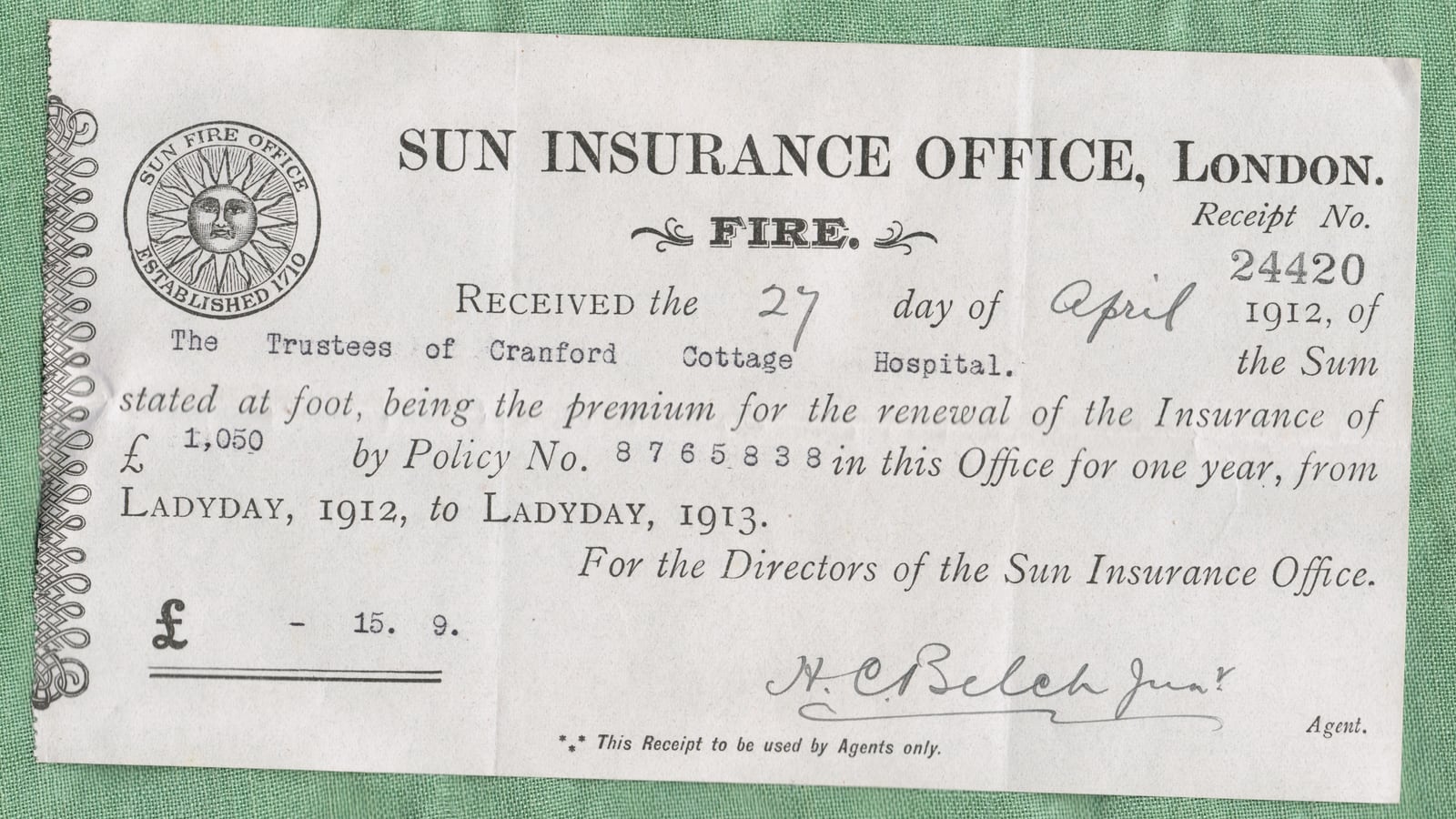
Photo: Sun Insurance Office (Life time: c. 1912) / Wikimedia Commons, public domain (cropped). Representational image.
The National Consumer Disputes Redressal Commission on 30 October 2026 held that United India Insurance wrongly rejected a money insurance claim by Anand Money Changers, a foreign-exchange business in Gujarat, for foreign currency lost in transit in 2007. It ordered the insurer to pay Rs 14,40,186 with 7.5% simple annual interest from the date the complaint was filed.
What Happened
According to the order, the company held a money insurance policy with a sum insured of Rs 70 lakh for 14 December 2006 to 13 December 2007. It covered cash and foreign currency at its offices in Anand, Nadiad and Borsad and in transit from the branches to the Anand office. On 5 February 2007, an employee carried foreign currency from the Borsad branch to the Anand office in a locked bag, and the currency was found missing on arrival. The company filed a police complaint against the employee, police filed a chargesheet, and the company claimed Rs 15,75,000.
The insurer rejected the claim on 19 August 2008, alleging that vital information had been withheld and that the claim was fraudulent. A district commission in Anand allowed the complaint in 2014, but the Gujarat State Commission reversed that in January 2022.
The National Commission said that, despite suspicious circumstances, the insurer had no clinching evidence to justify rejecting the claim. It held that the policy expressly covers loss from fraud or dishonesty of the cash-carrying employee during transit when discovered within 48 hours. It said a failure to disclose facts to the police could not by itself justify rejection, because the policy condition concerns disclosure to the surveyor or the insurer. As the employee's statement to police valued the lost currency at Rs 14,40,186, it reduced the amount payable from Rs 15,75,000.
The criminal case against the employee is separate: a chargesheet is an allegation, not a conviction, and the accused is presumed innocent until proven guilty in court.
What It Means
For businesses that insure cash in transit, the commission read the policy's cover for a carrying employee's dishonesty as part of the risk insured, and held that the insurer had to prove a ground for rejection. It set aside the State Commission's order and restored the district order with the reduced amount. The order may be appealed. Consumers with a disputed insurance claim can seek help through the National Consumer Helpline (1915) or file a complaint on e-Daakhil.
Source: Consumer commission order
Sources & Citations
- Consumer commission order — Consumer commission