

MP High Court orders HDFC Bank to unfreeze account, hold only disputed sum
The Madhya Pradesh High Court ordered HDFC Bank to unfreeze a customer's account frozen in a cyber crime matter and keep only the disputed amount in a fixed deposit.
Key points
- The Madhya Pradesh High Court at Indore ordered HDFC Bank on 25 November 2026 to unfreeze a customer's savings account.
- The court said the disputed amount stays in a fixed deposit, released only on a magistrate's order within three months.
- The guidelines it applied say banks should hold back only the suspected amount and help customers use the grievance process.
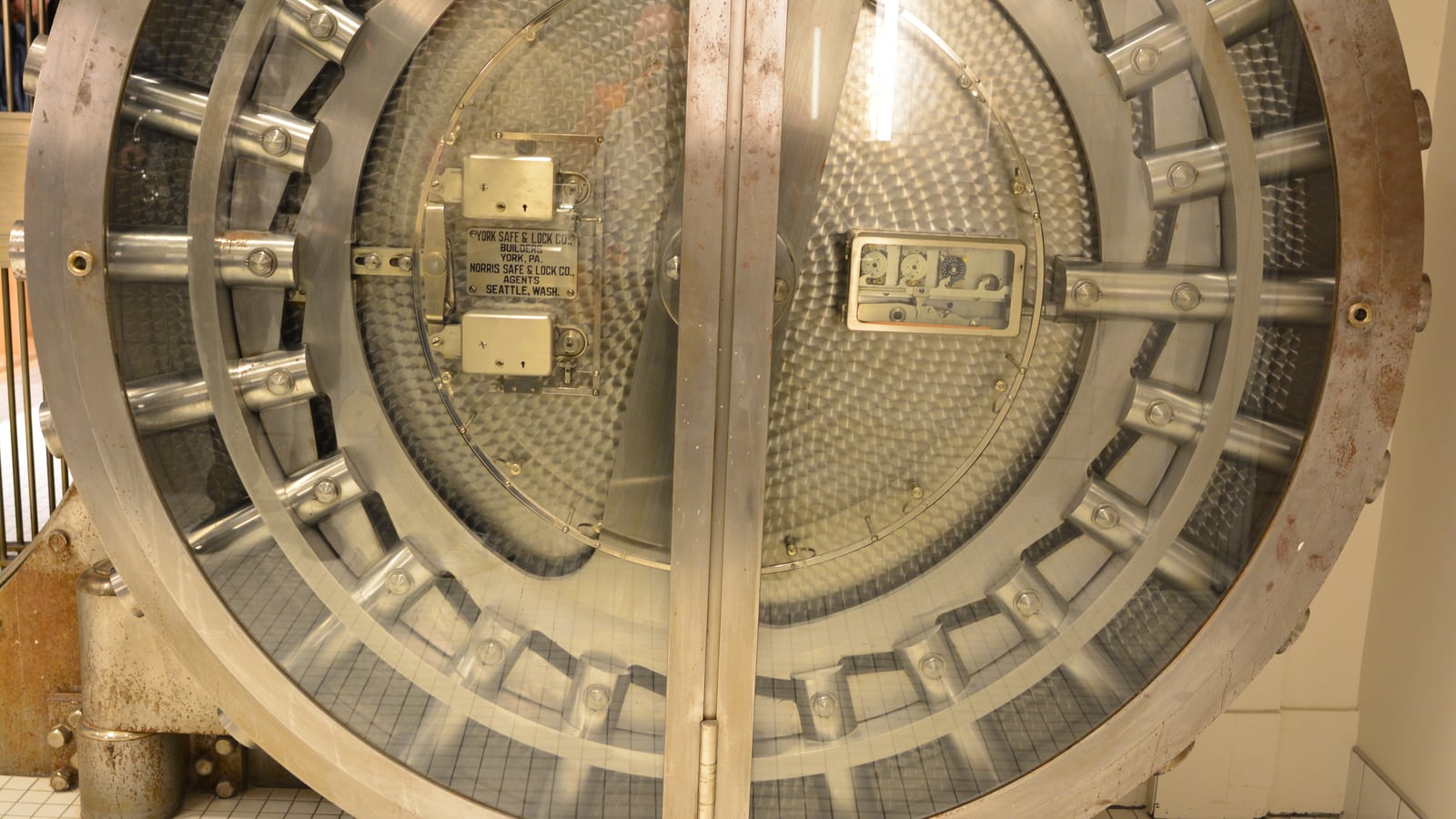
Photo: Joe Mabel / Wikimedia Commons, CC BY-SA 4.0 (cropped). Representational image.
The Madhya Pradesh High Court at Indore on 25 November 2026 ordered HDFC Bank to unfreeze a customer's savings account that had been frozen in a cyber crime matter, and to keep only the disputed amount aside in a fixed deposit. The court held that the customer's case was covered by its earlier rulings on frozen accounts (Writ Petition No. 48000 of 2026, 2026:MPHC-IND:32492).
What Happened
The account holder asked the court to quash the freeze on the savings account and restore full use of it. The court applied a 2024 ruling of its own, which held that banks should keep only the amount flagged by cyber crime police in fixed deposits, and a ruling of its Jabalpur bench dated 27 July 2026.
That July ruling, which the order reproduces, relies on a Standard Operating Procedure issued by the Ministry of Home Affairs on 10 April 2026 for accounts put on hold through the national cyber crime reporting portal. Under its guidelines, police should freeze only the suspected amount where it can be identified, and the bank should tell the customer about the freeze and the grievance process. The bank uploads a grievance within seven days, the investigating officer decides within fifteen days, and a District Grievance Redressal Officer can review that decision within fifteen days. Release instructions should be carried out preferably within 48 hours.
In this case, the court directed that the disputed amount be kept in a fixed deposit, and that it be paid out only on orders of the competent Judicial Magistrate within three months. If no such order comes, the customer may withdraw it after informing the police. The rest of the account is to be unfrozen.
What It Means
For bank customers whose accounts are frozen over a cyber fraud complaint, the order applies the court's view that the bank should hold back only the disputed amount, not the whole balance. The July ruling it relies on also says the bank is the first point of contact for a grievance and should not simply send the customer to the police. Under those guidelines, if a grievance stays unresolved for 90 days with no direction to continue the hold, the bank should release it on request after giving the police 15 days' notice. Complaints about a bank's service can go to the RBI at https://cms.rbi.org.in. The order can be challenged before a higher bench.
Source: High Court judgment
Sources & Citations
- High Court judgment — Madhya Pradesh High Court