

Jharkhand High Court acquits CCL officer S. Raman in 1995 CBI bribery case
The Jharkhand High Court set aside the 2005 conviction of a CCL senior executive in a CBI bribery trap case, holding that the prosecution did not prove any demand for a bribe.
Key points
- The Jharkhand High Court on 6 November 2026 acquitted a CCL senior executive whom a CBI special court had convicted of bribery in 2005.
- The CBI had alleged a demand of Rs 1,500 in May 1995 to process supply bills; the High Court held that no demand was proved.
- The two-year jail term and fines imposed by the trial court are set aside, and he is discharged from his bail bonds.
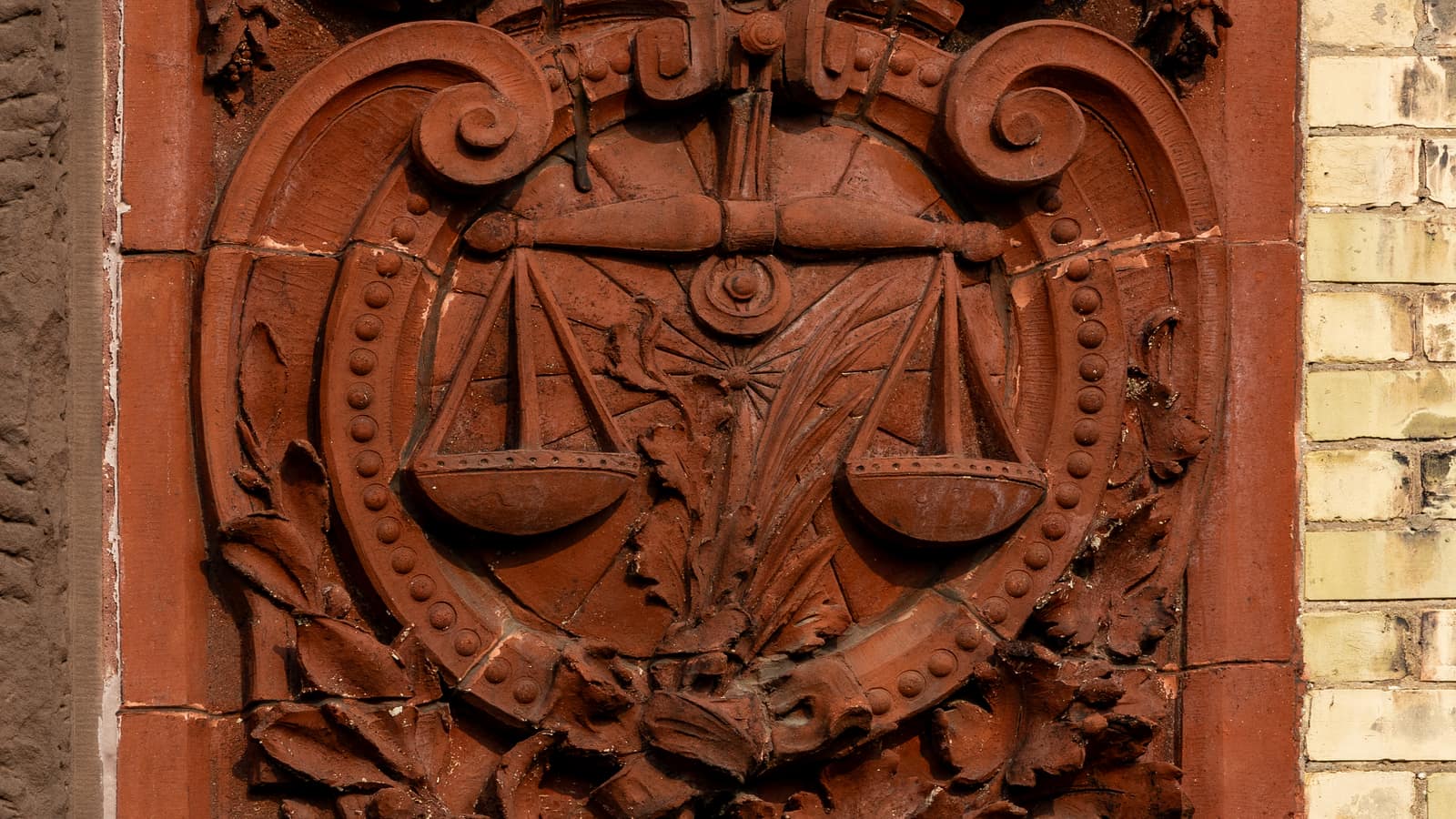
Photo: Chris Woodrich / Wikimedia Commons, CC BY-SA 4.0 (cropped). Representational image.
The Jharkhand High Court on 6 November 2026 acquitted S. Raman, Senior Executive, E&M, in charge of the Deputy Chief Engineer (E&M) office, C.C.L. (CCL), Ranchi, in a CBI bribery case registered in 1995. The court set aside his 2005 conviction, holding that the prosecution had not proved that he demanded a bribe.
What Happened
According to the judgment, the CBI registered the case on 23 May 1995 on a complaint by the proprietor of a firm that had supplied electrical items to CCL's E&M department in 1991-92. The CBI alleged that the officer demanded Rs 1,500 to process a set of seven bills worth about Rs 11,600, and it laid a trap at his residence the same evening. On 30 May 2005 the Special Judge, CBI, Ranchi convicted him under Sections 7 and 13(1)(d) read with 13(2) of the Prevention of Corruption Act, 1988, and sentenced him to two years of rigorous imprisonment with a Rs 10,000 fine, and one year with a Rs 5,000 fine, to run concurrently.
In appeal, the High Court noted that the complainant turned hostile at trial and testified that the officer made no demand and that he himself put the notes in the officer's pocket. The independent witnesses in the trap team said they saw the complainant hand over the notes, but did not speak of any demand. The court also found that the bills were pending because they were old and lacked required documents. Relying on Supreme Court rulings, it held that recovering currency notes without proof of a demand does not establish either offence, and acquitted him. He was on bail and has been discharged from his bail bonds.
The CBI's case was an accusation, and the High Court has now held it not proved; he is presumed innocent, and the trial court's finding of guilt no longer stands.
What It Means
The ruling applies the settled rule that proof of a demand for a bribe is essential under Sections 7 and 13 of the Act. A trap and recovery of marked notes alone will not sustain a conviction.
Anyone asked for a bribe by a public official can report it to the state anti-corruption bureau; Oquilia's guide lists every state's helpline at https://www.oquilia.com/report-a-bribe.
Source: High Court judgment
Sources & Citations
- High Court judgment — Jharkhand High Court