

Bombay High Court quashes sanction to prosecute ex-ICICI Bank chief in CBI case
The Bombay High Court has quashed ICICI Bank's sanction to prosecute its former chief in a CBI case, holding that only the RBI could grant it.
Key points
- The Bombay High Court on 18 November 2026 quashed the sanction to prosecute ICICI Bank's former chief under the anti-corruption law.
- The court held that the RBI, not the bank's Board, was the competent authority, and that the Board did not apply its mind.
- The court refused the CBI's request for an eight-week stay; the CBI's allegations remain unproven and have not been tested at trial.
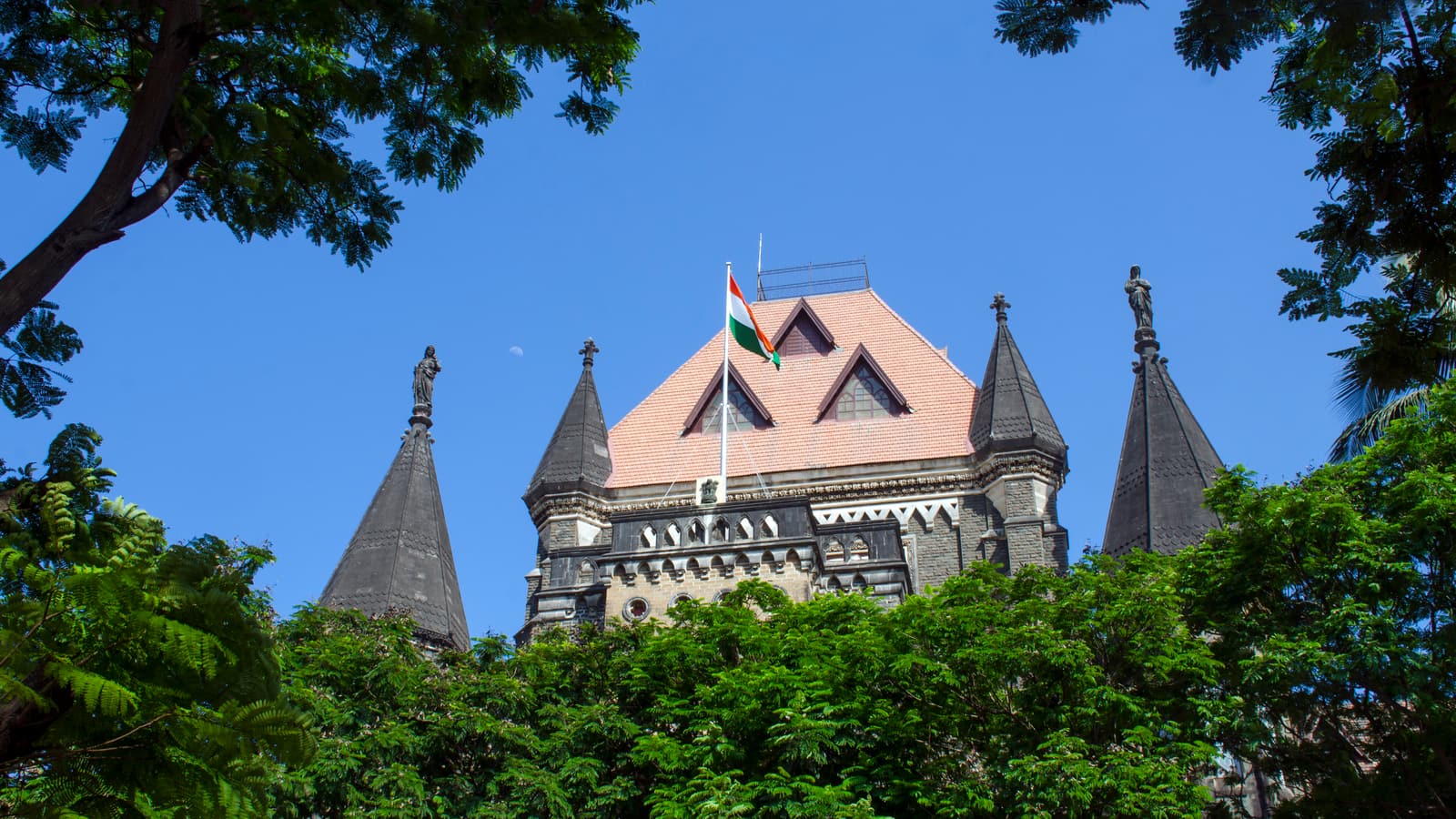
Photo: Rangan Datta Wiki / Wikimedia Commons, CC BY-SA 4.0 (cropped). File photo.
The Bombay High Court on 18 November 2026 quashed the sanction that ICICI Bank's Board of Directors had granted to prosecute the bank's former managing director and chief executive officer under the Prevention of Corruption Act, 1988, in a CBI case linked to loans the bank gave the Videocon Group. The court held that the Board was not the competent authority to grant that sanction and that the power vests with the Reserve Bank of India.
What Happened
The CBI registered an FIR on 22 January 2019 under Sections 420 and 120B of the Indian Penal Code and Sections 7, 13(1)(d) and 13(2) of the Prevention of Corruption Act. The CBI has alleged that the former chief received illegal gratification indirectly in connection with loans the bank sanctioned to the Videocon Group. The CBI filed a chargesheet on 28 March 2023, and the bank's Board granted sanction to prosecute under Section 19 of the Act on 15 May 2023.
The court held that the RBI, which can remove the chief executive of a banking company under Section 36AA of the Banking Regulation Act, 1949, was the competent authority. It also found that the Board granted the sanction only on the CBI's letter and report, without the material collected in the investigation, and gave no reasons, which the court said showed no application of mind. The court held the sanction to be a nullity and also set aside the steps the CBI Special Court in Mumbai had taken on the basis of it. After the judgment was pronounced, the court declined the CBI's request to stay it for eight weeks so that the agency could challenge it.
What It Means
Sanction under Section 19 is a legal precondition for prosecution under the Act. The court noted that trial had not begun, and held that cognizance taken on a defective sanction falls with it. The judgment does not decide whether the CBI's allegations are true. These are allegations, not findings of guilt; the accused are presumed innocent until proven guilty in court, and due process continues. The CBI told the court it intends to challenge the judgment.
Source: High Court judgment
Sources & Citations
- High Court judgment — Bombay High Court