

Andhra Pradesh High Court sets aside Union Bank fraud tag on MSME borrower
The Andhra Pradesh High Court has set aside Union Bank of India's order classifying a Vijayawada company and its directors as fraud, and sent the matter back for a fresh reasoned decision.
Key points
- The Andhra Pradesh High Court set aside Union Bank of India's 27 May 2026 order classifying a company and four directors as fraud.
- The court held on 24 November 2026 that the order did not show the borrowers' defences and each director's role were considered.
- The bank must pass a fresh reasoned order and, meanwhile, tell bodies it reported to that the classification has been set aside.
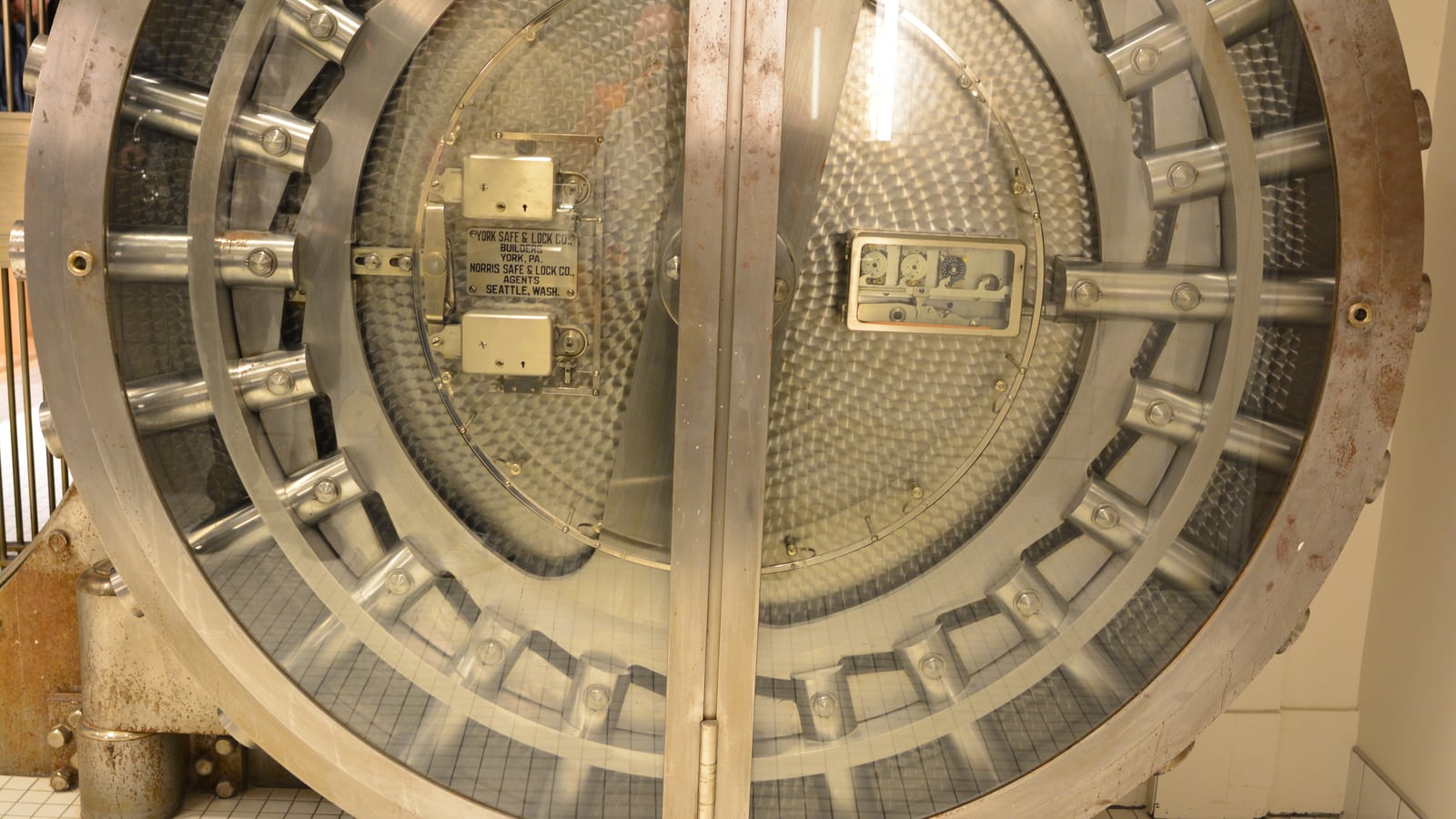
Photo: Joe Mabel / Wikimedia Commons, CC BY-SA 4.0 (cropped). Representational image.
The Andhra Pradesh High Court has set aside Union Bank of India's order classifying a Vijayawada steel-products company and four of its present and former directors as "fraud", and sent the matter back to the bank for a fresh decision. In a judgment delivered on 24 November 2026 in Writ Petition No. 19071 of 2026, the court held that the bank's order of 27 May 2026 did not show that the borrowers' defences and each director's individual role had been considered.
What Happened
The company, Omkara Vijayalakshmi Strips Private Limited, a registered MSME, had credit facilities of about Rs 24.98 crore from the bank, according to the judgment. Its account was classified as a non-performing asset on 23 June 2025, a classification challenged in a separate petition, and the National Company Law Tribunal admitted the company into insolvency on 23 June 2026. The bank told the court that a stock statement showed stock of about Rs 23.86 crore while only about Rs 0.25 crore was found at a stock audit, and relied on credits of about Rs 67.54 crore involving two trading firms it said were later found closed; the bank treated these as signs of diversion of funds.
The court held that suspicious circumstances are not the same as a reasoned finding of fraud, and that holding a director's title alone does not prove wrongdoing. It expressly did not rule on whether the bank's allegations are true. The petitioners may file a supplementary representation within three weeks, and the bank must then pass a fresh reasoned order, preferably within eight weeks, with individual findings on each person.
What It Means
Until the fresh decision, the bank may not give further effect to the classification. If it has already reported it to the RBI, CRILC, credit information companies or other regulators, the court said it must tell them the order has been set aside and the matter is under fresh consideration. The court added that this does not restrain any investigation already lawfully begun by a law-enforcement agency.
For borrowers, the ruling underlines that a bank's fraud classification must answer the borrower's explanation and give reasons for each person named. The court left open the NPA classification, the recovery and insolvency proceedings and the debt itself. Complaints about a bank's service can be filed with the RBI at https://cms.rbi.org.in.
Source: High Court judgment
Sources & Citations
- High Court judgment — Andhra Pradesh High Court