

SAT sets aside SEBI penalty in ANI Integrated case, recoveries cancelled
SEBI has cancelled recovery certificates and released attached accounts after the SAT set aside its February 2026 penalty order in the ANI Integrated Services trading matter.
Key points
- SEBI cancelled recovery certificates in the ANI Integrated Services matter after the Securities Appellate Tribunal set aside its penalty order.
- Per SEBI's 6 November 2026 documents, the SAT order of 4 November 2026 remanded the 12 February 2026 order for fresh consideration.
- The earlier findings are no longer in force; a SEBI adjudicating officer will now decide the matter afresh, and any new order can be appealed again.
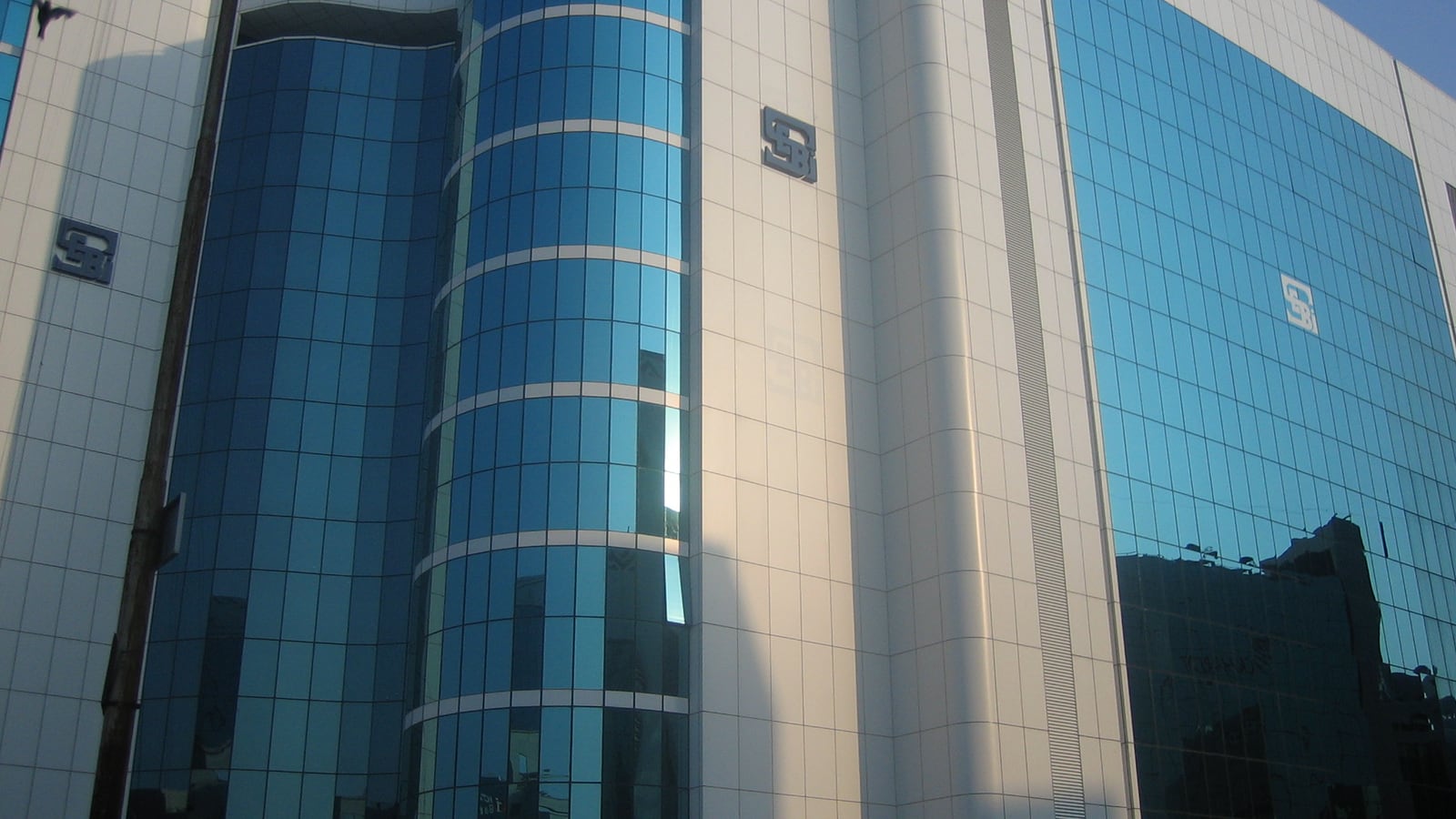
Photo: Jimmy vikas / Wikimedia Commons, CC BY-SA 3.0 (cropped). File photo.
The Enforcement Action
The Securities and Exchange Board of India (SEBI) has cancelled recovery certificates and ordered the release of attached accounts in the ANI Integrated Services Limited trading matter, after the Securities Appellate Tribunal (SAT) set aside the penalty order on which those recoveries rested. The steps are recorded in documents issued by SEBI's recovery officers in Mumbai on 6 November 2026.
According to the cancellation of Recovery Certificate No. 9267 of 2026, the SAT, "vide order dated 04.11.2026 in Appeal No. 388 of 2026", set aside Adjudication Order No. Order/AK/DS/2025-26/32082-32109 dated 12 February 2026. SEBI cancelled that certificate, and Recovery Certificates No. 9229 and No. 9230 of 2026, each drawn up for Rs 2,13,000 plus interest and costs, under section 28A(1) of the SEBI Act, 1992 read with section 413 of the Income-tax Act, 2025.
A separate release order under Recovery Certificate No. 9227 of 2026 states that the SAT "set aside the AO Order" and "remanded back the matter for fresh consideration". It directs all banks, mutual funds and the depositories to release the bank accounts, lockers, demat accounts and mutual fund folios attached on 10 August 2026.
The SAT's own order is not part of the SEBI documents, and its reasoning is not set out in them. Oquilia has not seen a public statement from any party on the ruling.
How the Scheme Worked
The penalties now set aside came from the adjudication order of 12 February 2026. It followed a SEBI investigation into trading in ANI Integrated Services Limited (AISL) between 1 March 2021 and 31 August 2021. Over that period, the order records, the share opened at Rs 25.0, touched a high of Rs 55.4 and closed at Rs 43.75.
The adjudicating officer found that a connected group of 28 noticees, together with other related accounts, traded heavily among themselves. Connections were traced, per the order, through MCA records, client codes, off-market transfers, bank statements, call data records and the MAC IDs of the devices used to place orders. Several accounts, the order notes, shared residential addresses in Ahmedabad and were operated from the same devices. Bank records showed fund transfers between the traders and six proprietorship or business entities.
On the order's figures, the group accounted for 78.00% of buy volume and 77.97% of sell volume in the scrip during the period. Trades within the group made up 73.34% of total market volume. The order describes 1,330 "synchronized trades" among the entities, contributing 62.94% of market volume, and reversal trades on 31 days. The group contributed Rs 137.05 to net last traded price (LTP) movement and Rs 16.65, or 54.77%, of new-high-price contribution, all through trades within the group.
The officer held that these trades were "carried without any intention of change of ownership" and created artificial volume and price movement. Twelve noticees were also found to have ignored investigation summons issued between October and December 2024.
Procedurally, a show-cause notice was issued on 6 June 2025. No noticee filed a reply, and four were served by newspaper publication on 4 January 2026. The order states that the matter proceeded ex parte "on the basis of material available on record", without a personal hearing. Recovery certificates followed in July 2026, and accounts were attached in August.
The Law Invoked
The February order cited section 12A(a), (b) and (c) of the SEBI Act, 1992, which bar manipulative or deceptive devices and any scheme to defraud in connection with listed securities. It also cited regulations 3(a), (b), (c), (d), 4(1) and 4(2)(a), (b) and (e) of the SEBI (Prohibition of Fraudulent and Unfair Trade Practices relating to Securities Market) Regulations, 2003. These cover creating a false or misleading appearance of trading, dealing without intending to transfer beneficial ownership, and manipulating a security's price.
The penalty for those findings was imposed under section 15HA of the SEBI Act, which provides for a minimum of Rs 5 lakh for fraudulent and unfair trade practices. A joint and several penalty of Rs 42 lakh was levied on 21 noticees. For non-compliance with summons issued under section 11C(3) and 11C(5), the investigation powers to call for documents and examine persons on oath, the officer imposed Rs 2 lakh each on 12 noticees under section 15A(a).
Recovery ran under section 28A of the SEBI Act, which lets SEBI enforce unpaid penalties through powers borrowed from income-tax law, read with section 413 of the Income-tax Act, 2025. The same provision empowers the recovery officer to cancel a certificate once the underlying demand falls away.
What Happens Next
According to SEBI's release order, the matter has been remanded "for fresh consideration". In practice, the case returns to the SEBI adjudicating officer, who may decide it afresh in line with the tribunal's directions. A fresh order could confirm, reduce or drop penalties. Any new order would itself be appealable to the SAT, and a SAT decision can be taken to the Supreme Court on a question of law.
Until a fresh order is passed, the February 2026 penalties are no longer enforceable against the parties whose certificates SEBI has cancelled. Their attached accounts are to be released. The documents published on 6 November cover four recovery certificates. SEBI has not published a statement on whether the tribunal's order extends to every noticee in the original order, and the public record does not yet show that.
The adjudicating officer's findings of manipulation are not in force while the matter is re-heard. They should be read as the regulator's earlier allegations, subject to due process before the adjudicating officer and, if needed, the tribunal again.
What It Means
For ordinary investors, the case is a reminder of how a SEBI penalty moves through the system. An adjudicating officer's order is a regulator's finding, but it is not final while an appeal is open. The SAT can and does set orders aside, particularly where questions arise over how a matter was heard. Readers should not treat the original allegations as settled, and should not draw conclusions about any individual from the fact that their name appeared in the February order.
The pattern the order described is common in small, thinly traded stocks: a connected set of accounts trading among themselves, which can make a share look more liquid and in demand than it is. An outside buyer who sees a rising price and heavy volume may assume genuine interest. A few checks help before buying a small-cap stock on momentum. Look at the delivery percentage on the exchange website. See whether the exchange has placed the scrip under additional surveillance measures. And look for real business news behind a price move.
SEBI's enforcement pages publish every adjudication order, recovery certificate and cancellation, so investors can follow a matter from start to finish. Anyone who receives an unsolicited tip about a small-cap stock should be cautious, and can verify any adviser through SEBI's intermediary register.
FAQ
What did the Securities Appellate Tribunal decide?
According to SEBI's release order of 6 November 2026, the SAT, by order dated 4 November 2026 in Appeal No. 388 of 2026, set aside the adjudicating officer's order of 12 February 2026 and sent the matter back for fresh consideration. The tribunal's reasons are not stated in the SEBI documents. On that basis, SEBI cancelled the related recovery certificates and released attached accounts.
Does this mean the people named are guilty, or innocent?
Neither conclusion follows. The February order recorded SEBI's findings, and those findings have now been set aside and sent back for re-hearing. No person in this matter now stands penalised under that order. The allegations will be considered afresh, the parties are entitled to be heard, and due process continues. Readers should draw no conclusion about any individual named in the original order.
What happens to the money and attached accounts?
SEBI's recovery officer has directed all banks, mutual funds and the depositories NSDL and CDSL to release the bank accounts, lockers, demat accounts and mutual fund folios attached under Attachment Proceeding Nos. 15653 and 15654 of 2026. The recovery certificates for Rs 2,13,000 each have been cancelled under section 28A(1) of the SEBI Act.
Can SEBI penalise the parties again?
Yes, potentially. A remand means the adjudicating officer will decide the matter again. The officer may impose penalties, reduce them or drop the proceedings, depending on the evidence and the parties' submissions. Any fresh order can again be challenged before the SAT.
Where can I read the official documents?
The original adjudication order and all recovery documents are on SEBI's website under Enforcement, in the Orders of AO and Recovery Proceedings sections. Searching for "ANI Integrated Services" brings up the February 2026 order, the July 2026 recovery certificates, and the November 2026 cancellations and release order.
This report is based on SEBI's official cancellation of Recovery Certificate No. 9267 of 2026 dated 6 November 2026, the related release order, and the SEBI adjudication order dated 12 February 2026.
This report describes enforcement actions and allegations on the public record, attributed to the officials cited. An order, FIR or chargesheet is not a conviction; parties are presumed innocent until proven guilty.
Named in this report, or spotted an error? Corrections and responses: editor@oquilia.com. We correct errors promptly and record responses from named parties.
Sources & Citations
- Cancellation of Recovery Certificate No. 9267 of 2026 in the matter of trading activity in the scrip of ANI Integrated Services Limited — SEBI
- Release order under Recovery Certificate No. 9227 of 2026, ANI Integrated Services Limited — SEBI
- Adjudication Order in the matter of trading activity in the scrip of ANI Integrated Services Limited — SEBI