

IRDAI imposes Rs 2 crore penalty on Star Health over claim handling
IRDAI's 20 November 2026 order fines Star Health and Allied Insurance Rs 2 crore under Section 102 for Covid-19 claim rejections and deductions it found outside policy terms.
Key points
- IRDAI imposed a Rs 2 crore penalty on Star Health and Allied Insurance in an order dated 20 November 2026.
- The regulator found that Covid-19 claims were rejected and claim deductions made in ways inconsistent with the insurer's own policy terms.
- The insurer must pay within 45 days, revamp its settlement letters, and may appeal to the Securities Appellate Tribunal.
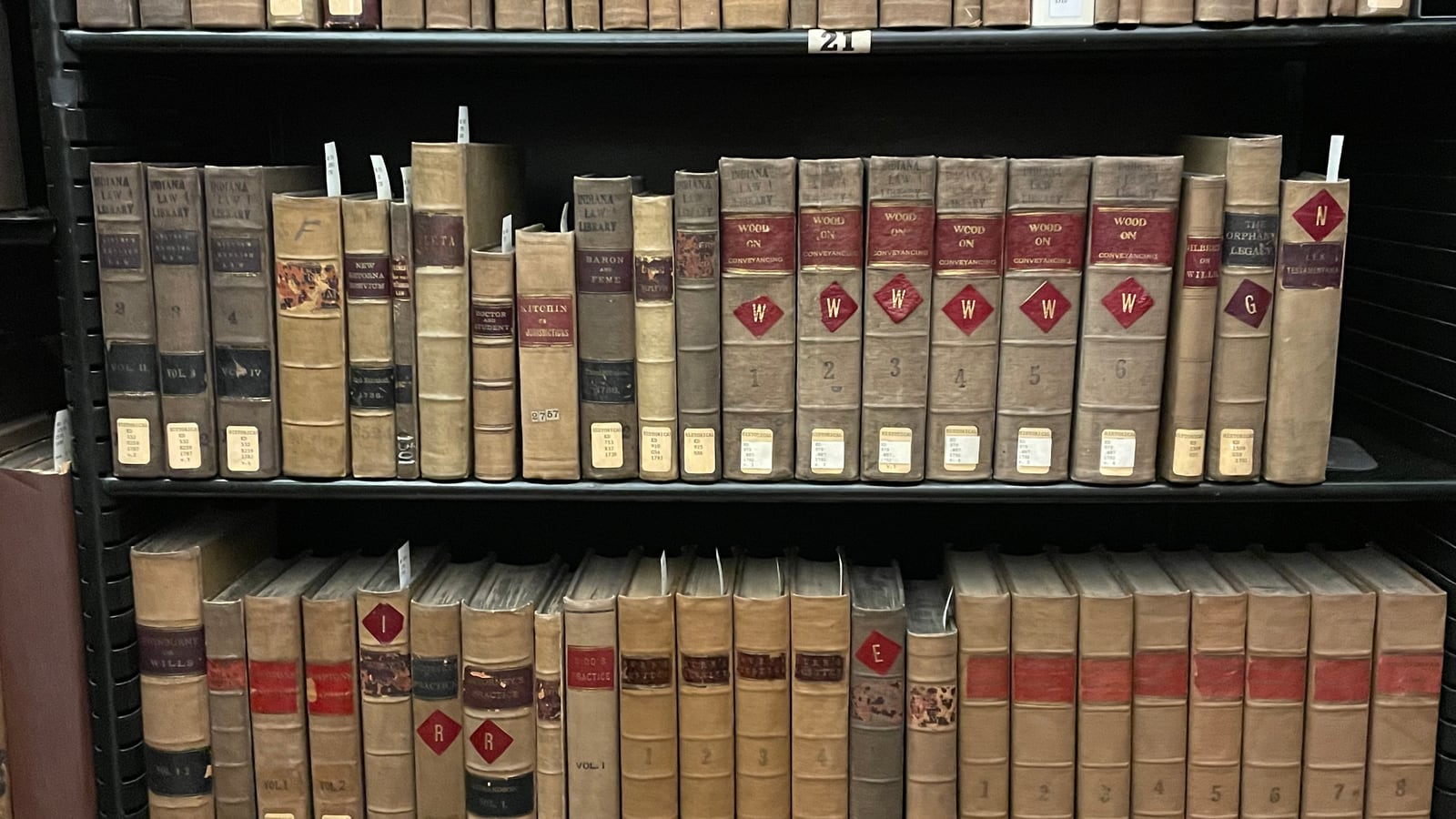
Photo: Dominic / Wikimedia Commons, CC0 1.0 (cropped). Representational image.
The Enforcement Action
The Insurance Regulatory and Development Authority of India (IRDAI) has imposed a total penalty of Rs 2 crore on Star Health and Allied Insurance Co. Ltd for violations it found in how the company settled and communicated health insurance claims. The order, reference IRDAI/E&C/ORD/MISC/153/11/2026, is dated 20 November 2026 and was signed in Hyderabad by two whole-time members of the Authority.
The penalty comes in two parts of Rs 1 crore each, both imposed under Section 102 of the Insurance Act, 1938. The first relates to Covid-19 claims that the order says were repudiated on the ground that hospitalisation was not required, even though the policyholders had been admitted on the advice of their treating doctors. The second relates to deductions from claims that, according to the order, were not supported by the terms of the policies, and to the insurer's failure to tell claimants which policy condition a deduction or rejection rested on.
Alongside the money penalty, IRDAI warned the insurer over how hospital discounts are shown to policyholders, cautioned it for collecting renewal premiums more than 90 days in advance, and cautioned and warned it for not giving complainants the details of the Insurance Ombudsman. One further charge, on the reporting of agent commissions and rewards, was not pressed.
The order records the insurer's submissions at length, including its position that hospitals overcharged during the pandemic. Oquilia found no separate public statement from the insurer responding to the order at the time of writing.
How the Scheme Worked
The matter began with a general inspection of the insurer that IRDAI conducted from 31 January to 11 February 2022, at the height of pandemic-era claim volumes. According to the order, the inspection report was sent to the insurer on 18 April 2022 and the insurer replied on 25 May 2022. IRDAI issued a show cause notice, reference IRDA/ENF/2022-23/706/SCN/LR/081, on 4 December 2024. The insurer replied on 10 January 2025 and was heard in person on 18 June 2025; offered a fresh hearing before a reconstituted panel in March 2026, it declined.
On Covid-19 claims, the inspection team examined a sample of rejected cases. The order says that in these cases the insured persons had been hospitalised on medical advice, but the insurer rejected the claims on the ground that the patient "should have been treated at home", citing AIIMS and Health Ministry guidelines on home isolation. IRDAI noted that the insurer's own flagship Family Health Optima policy covers hospitalisation undertaken on the advice of a qualified medical practitioner. It held that the claims were handled in a manner "inconsistent with its own policy terms and conditions". The order also records that the insurer could not produce proof that it had told each sampled policyholder why hospitalisation was considered unnecessary.
On deductions, the order says the insurer's "Bill Assessment Sheet" records showed items partially or wholly disallowed, with reasons such as "Claims Processed as per GIC Rates", and that none of the policy terms empowered those deductions. When the sampled cases were flagged, the insurer reconsidered many of them and paid additional amounts. IRDAI described that reconsideration as coming only after the Authority highlighted the cases, "as an afterthought". Data the insurer filed after the hearing showed that deductions made under the "reasonable and customary charges" heading, as a share of total deductions and of total allowances, peaked in FY 2021-22. The order states this "strongly" indicated the clause was being used "as a matter of practice" to reduce claim payouts.
The order also says the insurer accepted that, because of a technical error, the covering letter carrying grievance redressal and Ombudsman details was not sent with settlements during the period.
The Law Invoked
Both Rs 1 crore penalties were imposed under Section 102 of the Insurance Act, 1938, the provision that empowers IRDAI to levy penalties on insurers that fail to comply with the Act or the regulations made under it. The first penalty is for breaching Regulation 27(v) of the IRDAI (Health Insurance) Regulations, 2016, which the order quotes as requiring every claim to be "disposed of in accordance to the Terms and Conditions of the policy contract". The order also cites IRDAI circular IRDAI/HLT/REG/CIR/054/03/2020 of 4 March 2020 on Covid-19 claims.
The second penalty covers Regulation 27(v) together with Regulation 33(d)(ii) and (iv) of the same regulations, which require a denial or repudiation to state its reasons, refer to the corresponding policy conditions and set out the grievance and Ombudsman routes, and Regulation 21(3)(c)(i)(c) of the IRDAI (TPA - Health Services) Regulations, 2016.
The warning on hospital discounts rests on Regulation 20(9) of the TPA regulations, which requires agreed hospital discounts to be passed to the claimant and shown in the final bill. The Ombudsman charge rests on Proviso 5(ii) of Annexure I read with Regulation 17(2) of the IRDAI (Protection of Policyholders' Interests) Regulations, 2017, and the advance-premium charge on the proviso to Regulation 13(iii) of the Health Insurance Regulations.
What Happens Next
The order directs the insurer to pay the Rs 2 crore from its shareholders' account, not from policyholder funds, within 45 days of receiving the order. It must place the order before its board at the next meeting and share the minutes of that discussion, and it must file an Action Taken Report on the directions within 90 days of the order.
The most practical direction is about claim letters. IRDAI has told the insurer to put systems in place so that every final settlement letter lists each allowed, disallowed, non-payable and discount item clearly, and shows how much of the sum insured has been used up by the claim. It has also told the insurer to ensure that hospital discounts appear on the invoice itself and that policyholders are made aware of them.
The order states that if the insurer is aggrieved, it may appeal to the Securities Appellate Tribunal under Section 110 of the Insurance Act, 1938. An appeal would test IRDAI's findings; until any such appeal is decided, the order stands as issued.
What It Means
For policyholders, the order is a useful reminder of what a claim decision must contain. Under the regulations IRDAI cites, an insurer that cuts or rejects a claim has to say why, point to the specific policy clause it is relying on, and tell you how to escalate, including the name and address of the Insurance Ombudsman with jurisdiction. If a settlement letter lists deductions under a vague heading such as "reasonable and customary" or "as per rates" without naming a clause, you are entitled to ask the insurer to identify the clause in writing.
The order also shows that a sampled review can lead an insurer to pay more. IRDAI recorded that many sampled claims were reconsidered and topped up once the regulator flagged them. Policyholders with a disputed claim can first complain to the insurer's grievance cell, then use IRDAI's Bima Bharosa portal, and then approach the Insurance Ombudsman, a free forum for disputes within its monetary limit.
Check your bill too. Where a network hospital has agreed a discount with your insurer, the regulations IRDAI cites require it to appear on the final bill, and co-payment or deductibles are applied only after netting it off. Keep the hospital's final bill, the discharge summary and the insurer's settlement sheet together, so you can match each line.
FAQ
What exactly did IRDAI order?
IRDAI imposed two penalties of Rs 1 crore each under Section 102 of the Insurance Act, 1938, totalling Rs 2 crore, for Covid-19 claim rejections and claim deductions it found inconsistent with policy terms and for not stating reasons and policy clauses in claim communications. It also issued warnings and cautions on hospital discounts, advance renewal premiums and Ombudsman details, and dropped one charge on commission reporting.
Does this order mean my Star Health claim was wrongly settled?
Not necessarily. The order is based on cases sampled during a 2022 inspection, and it does not review individual claims outside that sample. If you believe a past claim was reduced or rejected without a clear policy reason, you can ask the insurer in writing to identify the clause relied on, and escalate through its grievance cell, the Bima Bharosa portal or the Insurance Ombudsman.
Can the order be appealed?
Yes. The order itself states that if the insurer feels aggrieved, it may appeal to the Securities Appellate Tribunal under Section 110 of the Insurance Act, 1938. The penalty is payable within 45 days of the insurer receiving the order.
What should a health insurance claim rejection letter contain?
Under Regulation 33(d) of the IRDAI (Health Insurance) Regulations, 2016, as the order describes it, a denial or repudiation must be communicated by the insurer, state the reasons, refer to the specific policy conditions, and set out the grievance procedure and the Insurance Ombudsman's details, including addresses. A letter missing these elements is worth challenging.
Where can I read the official order?
The full 21-page order is published on IRDAI's website in its warnings and penalties section, under the title "Final Order in the matter of Star Health and Allied Insurance Co Ltd".
This report is based on the official IRDAI order dated 20 November 2026 in the matter of Star Health and Allied Insurance Co. Ltd, reference IRDAI/E&C/ORD/MISC/153/11/2026. It was surfaced via coverage in The Hindu BusinessLine.
This report describes enforcement actions and allegations on the public record, attributed to the officials cited. An order, FIR or chargesheet is not a conviction; parties are presumed innocent until proven guilty.
Named in this report, or spotted an error? Corrections and responses: editor@oquilia.com. We correct errors promptly and record responses from named parties.
Sources & Citations
- Final Order in the matter of Star Health and Allied Insurance Co Ltd (IRDAI/E&C/ORD/MISC/153/11/2026) — Insurance Regulatory and Development Authority of India
- IRDAI slaps ₹2 cr penalty on Star Health & Allied Insurance — The Hindu BusinessLine