

Bombay HC acquits Jalgaon social welfare officials in 2011 ACB bribery case
The Bombay High Court acquitted a former Jalgaon Social Welfare Officer and a junior clerk, setting aside their 2015 bribery convictions under the Prevention of Corruption Act.
Key points
- The Bombay High Court acquitted a former Jalgaon Social Welfare Officer and a junior clerk in a 2011 ACB bribery trap case.
- The judgment of 27 October 2026 set aside convictions handed down by a Jalgaon court on 27 August 2015.
- The court held that recovery of money alone is not enough and that the prosecution did not prove the bribe demand beyond reasonable doubt.
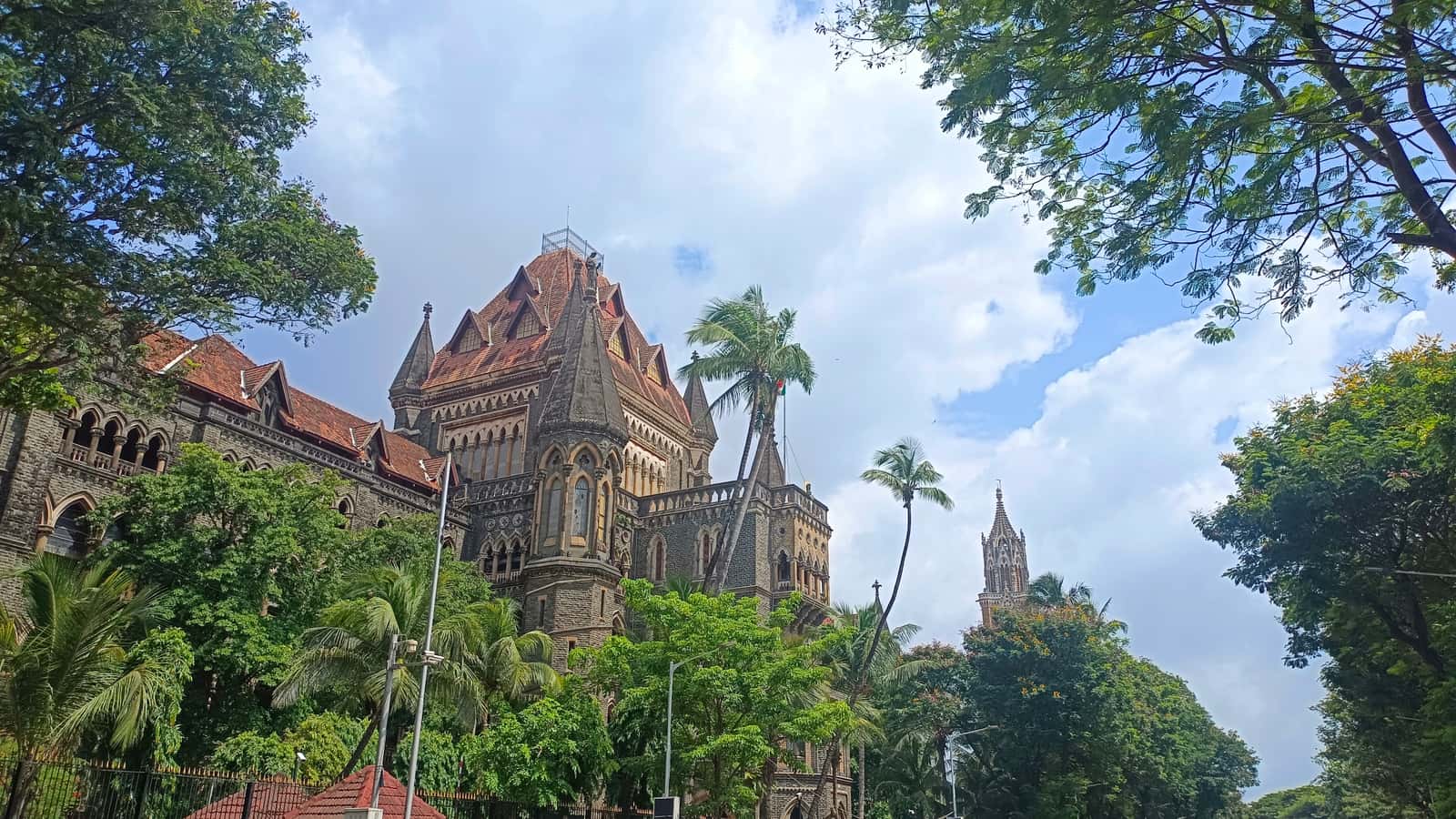
Photo: Gnoeee / Wikimedia Commons, CC BY-SA 4.0 (cropped). File photo.
The Bombay High Court, at its Aurangabad bench, on 27 October 2026 acquitted Himmat Shamrao Pawar, then Social Welfare Officer, Social Welfare Office, Jalgaon, and Kailas Chintaman Patil, then junior clerk in the same office, in an Anti-Corruption Bureau (ACB) bribery case. The court set aside their convictions, holding that the prosecution had not proved its case beyond reasonable doubt.
What Happened
An Additional Sessions Judge in Jalgaon had, on 27 August 2015, convicted the junior clerk under Section 7 of the Prevention of Corruption Act, 1988 and sentenced him to two years' rigorous imprisonment and a fine of Rs 10,000. The Social Welfare Officer was convicted under Sections 7 and 12 and sentenced to one year's simple imprisonment for each offence, with fines of Rs 10,000 and Rs 5,000.
According to the prosecution, a village sarpanch complained to the ACB, Jalgaon, in May 2011 that the officials had demanded 5% of a Rs 2 lakh road proposal sanctioned under the Tanda Sudhar Vasti Scheme to release a demand draft. The prosecution said Rs 5,000 was recovered from the clerk in a trap on 1 June 2011.
The High Court held that a demand for a bribe is essential to the offence and that recovery of money alone cannot sustain a conviction. It found that the alleged demand was aimed at the officer from the start, but the trap was shifted to the clerk without fresh verification of any demand by him. It also found that the independent witness did not back the complainant on the key point that the officer told him to pay the clerk, and that the complainant's evidence needed careful scrutiny.
The court refused a request to order compensation against the complainant, saying the acquittal rested on unresolved doubts, not on a finding that the complaint was false.
What It Means
With the acquittal, neither official stands convicted; the allegations remain unproven and both are presumed innocent in law. The court cancelled any bail bonds and discharged the sureties.
The judgment restates that in trap cases investigators must verify who demanded a bribe before laying a trap, and that recovered notes are not proof of a demand. Anyone asked for a bribe by an official can report it to their state's anti-corruption bureau; Oquilia's guide to every state's helpline is at https://www.oquilia.com/report-a-bribe.
Source: High Court judgment
Sources & Citations
- High Court judgment — Bombay High Court