

SEBI starts recovery against 16 Ultracab promoter entities over penalty
SEBI has issued a Notice of Demand for Rs 5.21 lakh against 16 Ultracab (India) promoter-group noticees who were penalised in August 2026 for missed takeover-code disclosures.
Key points
- SEBI's Recovery Officer issued a Notice of Demand on 12 November 2026 against 16 promoter-group noticees of Ultracab (India) Ltd.
- The Rs 5,21,000 demand covers a Rs 5 lakh penalty imposed on 7 August 2026, Rs 20,000 interest and Rs 1,000 recovery cost.
- The noticees have 15 days to pay, after which SEBI says it may attach their bank accounts and attach and sell their movable or immovable property.
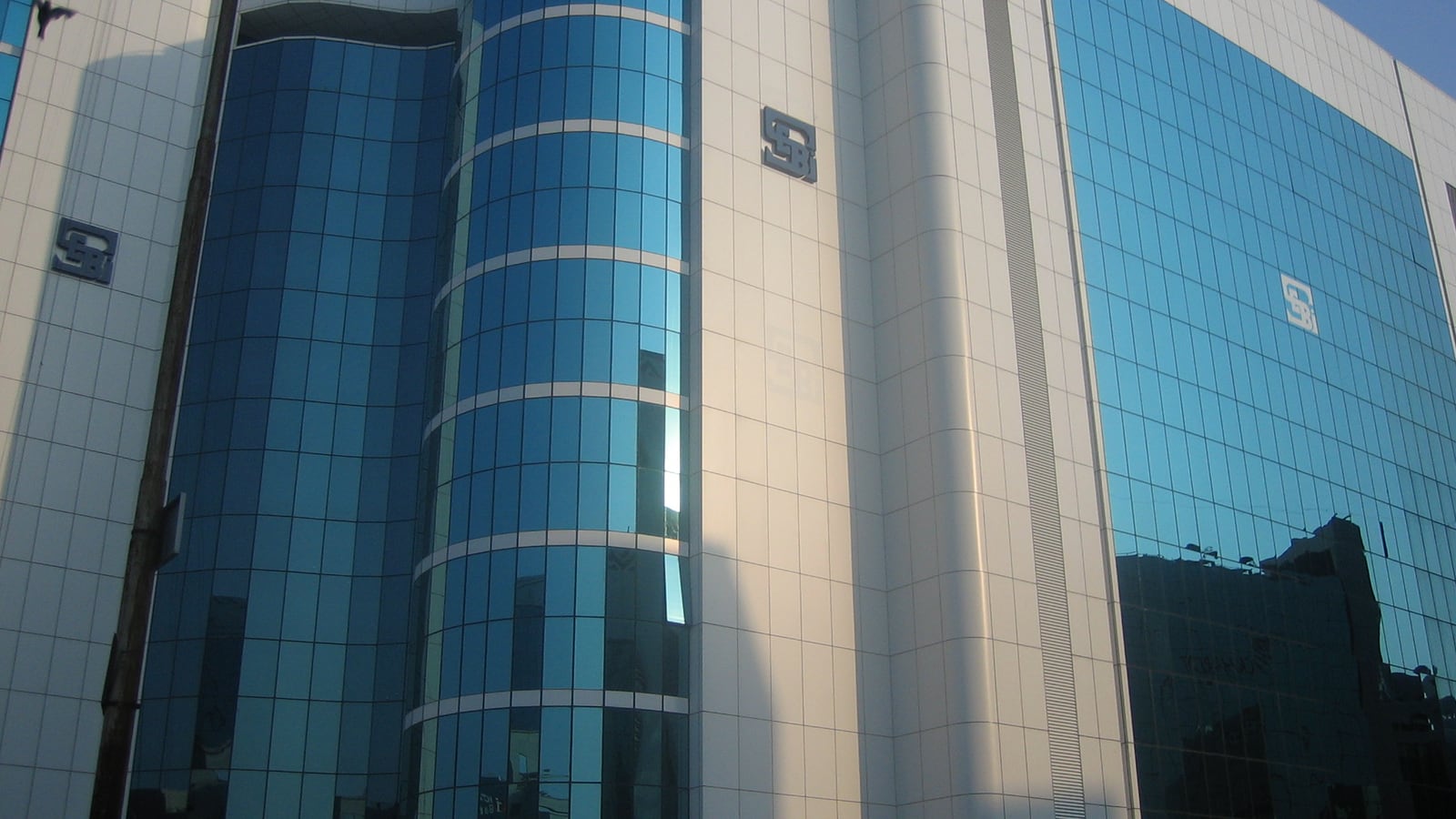
Photo: Jimmy vikas / Wikimedia Commons, CC BY-SA 3.0 (cropped). File photo.
The Enforcement Action
The Securities and Exchange Board of India (SEBI) has started recovery proceedings against 16 members of the promoter group of Ultracab (India) Ltd over an unpaid penalty for missed takeover-code disclosures. A Notice of Demand dated 12 November 2026, issued under Recovery Certificate No. 9325 of 2026, certifies that Rs 5,21,000 is due to SEBI from the 16 noticees, together with further interest and the costs of recovery.
The certificate was issued under Section 28A of the SEBI Act, 1992, read with section 222 of the Income-tax Act, 1961, and is signed by SEBI's Deputy General Manager and Recovery Officer in Mumbai. According to the notice, the dues comprise the Rs 5,00,000 penalty imposed by SEBI's Adjudicating Officer in Order No. Order/MS/SM/2026-27/32592-32611 dated 7 August 2026, interest of Rs 20,000 for August to November 2026 at 1% per month, and a recovery cost of Rs 1,000.
The underlying matter is a disclosure case, not a trading-manipulation case. In the adjudication order of 7 August 2026, SEBI's Adjudicating Officer held that 16 promoter and promoter-group entities had failed to make the disclosures required when their combined holding in the company fell sharply in late 2023. The penalty was imposed jointly and severally, which means SEBI can recover the full amount from any one or more of them.
In their replies recorded in the order, the noticees contended that the lapse was "unintentional" and "merely technical in nature", and that no investor suffered a loss. The recovery notice does not record any response to the demand itself.
How the Scheme Worked
There is no allegation of a scheme to defraud investors in this matter. The adjudication order deals with a single question: whether a promoter group that sold down a large part of its stake told the market about those changes in the way the takeover regulations require.
According to the order, SEBI examined changes in the promoter group's shareholding in Ultracab (India) Ltd during the quarters ended September 2023 and December 2023. The shareholding patterns filed on BSE showed the 20-entity promoter and promoter group holding 62.12% at the end of June 2023, 59.69% at the end of September 2023 and 27.90% at the end of December 2023. The order records that the group's aggregate holding changed by 2.44% in the September quarter and by 31.80% in the December quarter. Over the same period, the number of public shareholders recorded on the BSE filings rose from 8,870 to 42,973.
The order states that in 12 instances during those two quarters the change in the group's aggregate holding exceeded 2%, which triggered a disclosure to the stock exchange. The exchange confirmed it had not received those disclosures. SEBI's Adjudicating Officer was appointed by an order dated 4 March 2025, and a common show-cause notice dated 15 April 2025 was issued to all 20 noticees. Hearings followed in May and June 2025, and the matter changed hands between officers before the final order.
The noticees argued that they believed the depository's system-driven disclosure mechanism would report the trades, that the quarterly shareholding patterns already put the information in the public domain, that several of them had sold no shares, and that this was their first instance of non-compliance. The order held that "ignorance of law is no excuse" and noted that promoters and promoter-group members are deemed persons acting in concert, so a member who did not sell still had a share in the group's disclosure obligation.
The Adjudicating Officer accepted the arguments of four noticees, finding from the company's annual reports that they were not part of the promoter group during the examination period, and dropped the case against them. The remaining 16 were held to have violated the disclosure rules. The order gave them 45 days from receipt to pay and stated that SEBI could start recovery under Section 28A if they did not. The Notice of Demand issued on 12 November 2026 is that recovery step.
The Law Invoked
The violation was of Regulation 29(2) read with Regulation 29(3) of the SEBI (Substantial Acquisition of Shares and Takeovers) Regulations, 2011. Regulation 29(2) requires any person who, together with persons acting in concert, holds 5% or more of a listed company to disclose any change in that holding which exceeds 2% of the company's shares. Regulation 29(3) requires the disclosure to reach every stock exchange where the shares are listed, and the company, within two working days. The order also relied on Regulation 2(1)(q), under which promoters and members of the promoter group are deemed to be acting in concert.
The penalty was imposed under Section 15A(b) of the SEBI Act, which penalises a failure to file a return or furnish information on time. As the order quotes it, the penalty "shall not be less than one lakh rupees" and is capped at Rs 1 crore. The officer weighed the factors in Section 15J and noted that the record did not quantify any gain made or loss caused.
Recovery runs under Section 28A of the SEBI Act, read with sections 220 to 227, 228A, 229 and 232 of the Income-tax Act, 1961 and its Second Schedule. Rule 2 of that Schedule governs the Notice of Demand, and rule 16 bars the noticees from dealing in their property once the notice is served, except with the Recovery Officer's permission.
What Happens Next
The notice directs the 16 noticees to pay the full amount within 15 days of receiving it, by bank transfer to a dedicated SEBI recovery account or through SEBI's online recovery payment facility. It states that further interest, costs and charges will continue to accrue.
If the dues are not paid, the notice says SEBI may recover the money by attaching and selling movable or immovable property, attaching bank accounts, appointing a receiver, or by detention of the defaulter in prison. Copies of the notice have gone to CDSL, NSDL and all mutual funds in India, asking them to report the noticees' holdings and to tell the Recovery Officer if any sale or redemption request is received after the date of the notice. Under Explanation 1 to Section 28A, transfers to a spouse, minor child, son's wife or son's minor child made on or after 7 August 2026 without adequate consideration are deemed to remain the noticees' property for recovery purposes.
Orders of a SEBI Adjudicating Officer can generally be challenged before the Securities Appellate Tribunal. The recovery notice does not indicate whether any appeal has been filed against the 7 August order. Once the dues are cleared, SEBI usually records it by issuing a completion of recovery certificate.
What It Means
For ordinary shareholders, the case is a reminder of why disclosure deadlines matter. During the December 2023 quarter, the order records, the promoter group's holding fell from 59.69% to 27.90% while the number of public shareholders roughly tripled. Prompt promoter disclosures are how investors learn, within two working days, that insiders are selling. Quarterly shareholding patterns show the same change, but only weeks later.
Investors can watch for these signals themselves. Stock exchange websites publish takeover-code disclosures and insider trading filings under each company's corporate announcements, alongside the quarterly shareholding pattern. A sharp, sustained fall in promoter holding, especially when the number of small shareholders is climbing quickly, is worth checking against these filings before buying.
The case also shows how SEBI's enforcement process continues after an order. A penalty that is not paid becomes a debt SEBI pursues through its own recovery machinery, with powers modelled on income-tax recovery. Once a notice is served, the depositories and mutual funds are asked to report the noticees' holdings and any sale request, and the matter stays on the public record until a completion certificate is issued.
FAQ
What exactly has SEBI done?
SEBI's Recovery Officer issued a Notice of Demand dated 12 November 2026 under Recovery Certificate No. 9325 of 2026. It certifies that Rs 5,21,000 is due from 16 promoter-group noticees of Ultracab (India) Ltd. That sum is the Rs 5 lakh penalty imposed on 7 August 2026, plus interest and recovery costs. The noticees have 15 days from receiving the notice to pay before SEBI may move to attach their assets.
Was this a market manipulation case?
No. The adjudication order deals only with missed disclosures. SEBI's Adjudicating Officer held that the promoter group failed to tell the stock exchange about 12 changes of more than 2% in its combined holding during the September and December 2023 quarters. The order records that the material did not quantify any gain made or any loss caused to investors.
Why are 16 entities named when the order covered 20?
The 7 August 2026 order began as proceedings against 20 noticees. The Adjudicating Officer accepted that four of them were not part of the promoter group during the examination period and found no violation against them. The remaining 16 were penalised jointly and severally, so the recovery certificate names those 16.
Can the penalty still be challenged?
Orders passed by a SEBI Adjudicating Officer can generally be appealed before the Securities Appellate Tribunal. The recovery notice does not say whether any appeal has been filed. Unless a tribunal or court stays the order, SEBI can continue with recovery.
How can I track promoter selling in a company I own?
Check the company's page on the BSE or NSE website. Takeover-code disclosures and insider trading filings appear under corporate announcements, and the quarterly shareholding pattern shows promoter and public holdings over time. Comparing the two can show whether large promoter sales were disclosed on time.
Where can I read the official documents?
The Notice of Demand in RC No. 9325 of 2026 and the 7 August 2026 adjudication order are both published on SEBI's website under Enforcement, in the Recovery Proceedings and Orders of AO sections. Both are linked in this report.
This report is based on the official SEBI Notice of Demand dated 12 November 2026 in RC No. 9325 of 2026 and the SEBI adjudication order dated 7 August 2026 in the matter of Ultracab (India) Ltd.
This report describes enforcement actions and allegations on the public record, attributed to the officials cited. An order, FIR or chargesheet is not a conviction; parties are presumed innocent until proven guilty.
Named in this report, or spotted an error? Corrections and responses: editor@oquilia.com. We correct errors promptly and record responses from named parties.