

Altman wants scarce RAM in data centres, not PCs: what it means for India
OpenAI's Sam Altman says idle memory in personal computers wastes scarce DRAM. As Stargate locks up supply, Indian device buyers may pay the price.
Key points
- OpenAI chief executive Sam Altman said on the Cheeky Pint podcast that scarce RAM is better used in cloud data centres than in PCs.
- Altman said DRAM in personal computers is used about five percent of the time, while Samsung and SK Hynix have reserved output for cloud deals.
- Indian buyers of budget laptops and phones may face higher prices, while pooled compute under the IndiaAI Mission gains relevance.
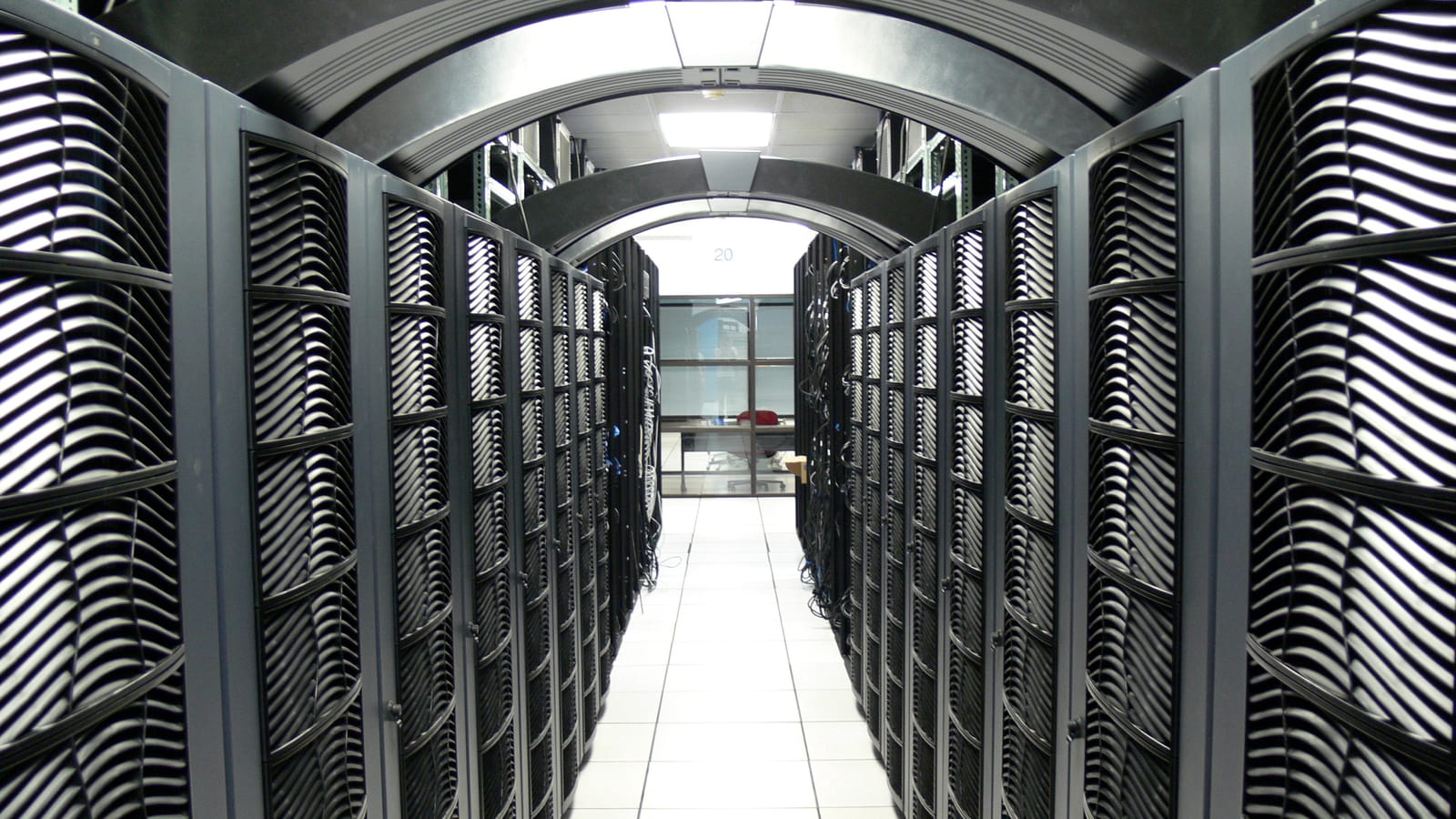
Photo: Christopher Bowns / Wikimedia Commons, CC BY-SA 2.0 (cropped). Representational image.
The News
OpenAI chief executive Sam Altman has argued that the world's scarce supply of memory chips is better used inside data centres than inside personal computers. Speaking on the Cheeky Pint podcast, in an episode that also covered OpenAI's work in mathematics, he was responding to a question about supply chain pressure, including the continuing global RAM shortage.
Altman said many people expect open-source models running on their own machines to remove the need for large server farms. He disagreed, saying that from a global allocation standpoint it is "quite terrible" for DRAM to sit in individual computers that use it about five percent of the time. In a supply-constrained market, he said, the goal should be maximum utilisation in the cloud.
The remarks land as memory makers Samsung and SK Hynix hold long-term supply agreements with cloud operators and with projects such as OpenAI's Stargate, which have reserved a large share of global RAM output for the next few years. That demand is a key reason laptops, phones and other consumer devices are getting more expensive.
Why It Matters
Altman's argument is an old one in new clothes. In the 1960s, time-sharing systems let many users rent slices of one expensive mainframe, and the economics favoured centralisation until cheap personal computers arrived. The AI boom is pushing the industry back towards that model, with the scarcest component pooled in a few very large facilities.
The pricing effect is the part ordinary buyers feel. During the 2020-2022 semiconductor crunch, carmakers idled production lines because chip supply had been allocated elsewhere. Today the squeeze is on memory, and the buyers with the deepest pockets are hyperscalers and AI labs signing multi-year contracts. When the head of one of the largest buyers says cloud use is the better allocation, it signals that this demand is not going to ease soon.
Indian Angle
India sits on both sides of this trade. On the consumer side, Indian laptop and smartphone buyers are highly price-sensitive, and memory is a significant part of a device's bill of materials. If chipmakers keep prioritising long-term data-centre contracts, entry-level and mid-range devices sold in India are likely to feel the cost first, at a time when the government is pushing to bring more first-time users online.
On the infrastructure side, the argument strengthens the case for building compute at home. The IndiaAI Mission, approved in March 2024 with an outlay of Rs 10,371.92 crore, includes shared GPU capacity that startups and researchers can rent rather than buy. Builders of Indian-language models, such as Sarvam AI, depend on that kind of pooled access. Micron's assembly and test plant at Sanand in Gujarat also gives India a foothold in the memory supply chain, though it does not fabricate chips.
For Indian developers, the debate is practical. Running models locally avoids per-token cloud bills paid in dollars, which matters when the rupee is weak. Altman's view suggests the cheapest memory will increasingly be found in rented capacity, not on a developer's desk.
FAQ
What exactly did Sam Altman say?
On the Cheeky Pint podcast, Altman said it is wasteful for the world's limited DRAM supply to sit in personal computers that use it about five percent of the time. He argued that in a supply-constrained environment, memory delivers more value in cloud data centres, where utilisation can be kept close to its maximum.
Why are RAM prices rising?
Memory makers such as Samsung and SK Hynix have signed long-term deals with cloud operators and AI projects such as OpenAI's Stargate. These agreements reserve a large share of output for the next few years, leaving less supply for consumer electronics and pushing up prices for laptops and phones.
What does this mean for Indian device buyers?
Indian buyers of laptops and phones could see higher prices or lower memory specifications, particularly in budget segments where margins are thin. Memory is a meaningful part of device costs, so sustained data-centre demand tends to filter into retail prices over the following quarters.
Where can I read the original report?
The original report was published by The Verge on 30 October 2026. A link to the full coverage is provided at the end of this article.
This story was reported by The Verge. Read the full original coverage at The Verge.