

OpenAI weighs renaming data centres as 'AI compute campuses'
OpenAI may rebrand its data centres as it plans a post-midterm PR push. With a 100 MW TCS deal in India, the backlash debate is heading here too.
Key points
- OpenAI is considering calling its data centres 'AI compute campuses' as part of a post-midterm public relations push, TechCrunch reported.
- Chief global affairs officer Chris Lehane also floated AI 'speed limits' and a US lead on global standards ahead of the 2028 election.
- OpenAI's India plan with TCS HyperVault starts at 100 MW and aims for 1 GW, so the resource debate is likely to reach Indian states too.
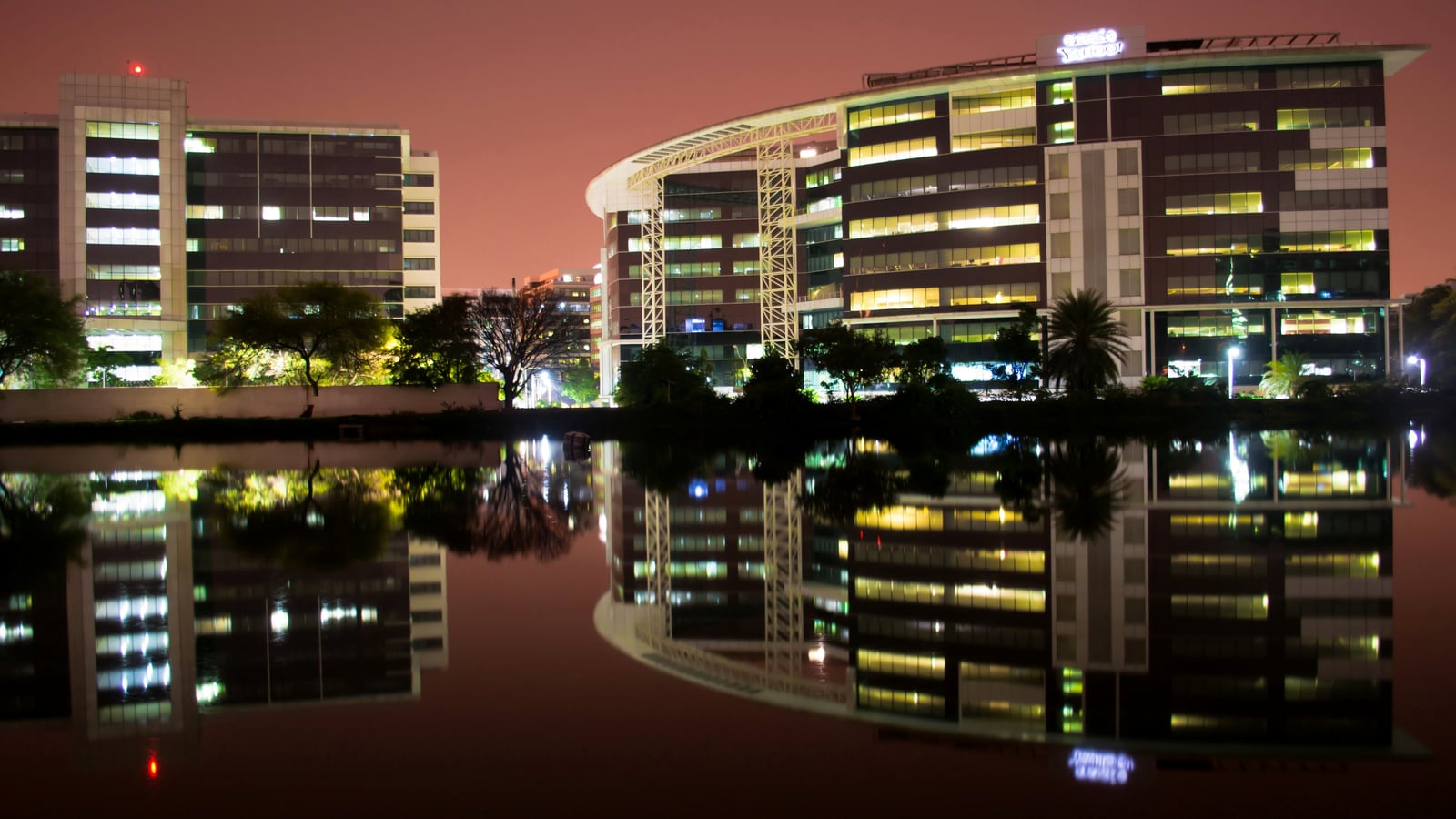
Photo: Prathapwagle / Wikimedia Commons, CC BY-SA 3.0 (cropped). Representational image.
The News
OpenAI is weighing a change of vocabulary for the facilities that power its models. According to a TechCrunch report published on 1 November 2026, the company may start calling its data centres "AI compute campuses" as part of a wider public relations push planned for the period after the US midterm elections.
The report draws on an Axios scoop in which Chris Lehane, OpenAI's chief global affairs officer, set out the company's thinking. Lehane described the midterms as "a bit of a movie trailer" for 2028, when he expects AI to sit at the centre of the presidential race.
Besides the rebrand, Lehane floated several other ideas for shaping the debate: AI "speed limits", showing ordinary people how the technology can empower them, and pressing the United States to take a lead role in setting global standards. He also called the local argument over data centres "good and healthy", saying communities should hold companies to account.
Why It Matters
The renaming idea is a signal of how politically costly physical AI infrastructure has become. Opposition from residents worried about power bills, water use and land has grown loud enough that Amazon and Microsoft have stopped using non-disclosure agreements in their negotiations with local governments, TechCrunch noted. When the largest cloud providers change how they bargain, the pressure is real.
There is a familiar pattern here. Mobile tower operators met fierce local resistance over radiation fears in the early 2010s, including in India, and what eased it was regulator-backed emission limits rather than a change of name. Rebranding rarely settles a dispute on its own; what tends to matter is whether local benefits such as jobs, tax revenue and grid upgrades become visible to the people living next door.
For investors, the takeaway is that the AI build-out now carries a political risk premium. Permitting delays, new disclosure rules or community conditions on water and power could stretch timelines for the capacity that model developers say they need.
Indian Angle
The debate lands directly on India because OpenAI has a large data centre plan here. In February 2026, at the India AI Impact Summit in Delhi, OpenAI said it would become the first customer of Tata Consultancy Services' HyperVault data centre business, starting with 100 MW of capacity and an ambition to scale to 1 GW, as part of its global Stargate programme. OpenAI has also said it will open offices in Mumbai and Bengaluru in late 2026.
Indian facilities face the same pressures that are driving the US backlash, often more sharply. Cities such as Mumbai, Chennai and Hyderabad, where most domestic capacity clusters, already deal with seasonal water stress and grid constraints. State governments have been competing with incentive packages to attract data centre investment, but there is little public scrutiny yet of the resource bargain those deals strike.
For Indian investors, listed players with data centre exposure, including TCS through HyperVault, are tied to this story. If the American conversation pushes hyperscalers toward more transparent agreements on water and power, Indian states and MeitY may face calls for similar disclosure. Companies that can show credible renewable power and water recycling plans are likely to find approvals easier.
FAQ
What exactly is OpenAI proposing?
OpenAI's global affairs chief, Chris Lehane, suggested calling data centres "AI compute campuses" as one element of a post-midterm communications effort. It is a proposal, not an announced change, and it sits alongside other ideas such as AI "speed limits" and pushing the US to help set international standards.
Why are data centres so unpopular in the US?
Residents near proposed sites have raised concerns about electricity prices, water consumption, noise and land use. The opposition has become a campaign issue in some races and has pushed Amazon and Microsoft to drop non-disclosure agreements when negotiating with local governments.
Does OpenAI have data centre plans in India?
Yes. In February 2026 OpenAI said it would be the first customer of TCS's HyperVault data centre business, beginning with 100 MW and aiming to grow to 1 GW over time. The project forms part of OpenAI's wider Stargate infrastructure effort.
Could this affect Indian data centre policy?
Not directly, but scrutiny abroad often shapes expectations at home. If US communities win stronger disclosure on power and water use, Indian regulators and state governments could face similar questions when they approve large AI facilities.
This story was reported by TechCrunch. Read the full original coverage at TechCrunch.