

Kerala High Court upholds bribery conviction of ex-KSEB accountant M. Ponnachan
The Kerala High Court upheld a former KSEB divisional accountant's conviction for accepting a Rs 3,000 bribe in a 2012 trap case, but cut his jail term from three years to one.
Key points
- The Kerala High Court on 16 November 2026 confirmed a former KSEB divisional accountant's conviction under the Prevention of Corruption Act.
- The court held that he demanded and accepted Rs 3,000 on 16 April 2012, and cut his sentence to one year and a Rs 25,000 fine on each count.
- The court cancelled his bail and directed him to surrender before the Special Court at once to serve the modified sentence.
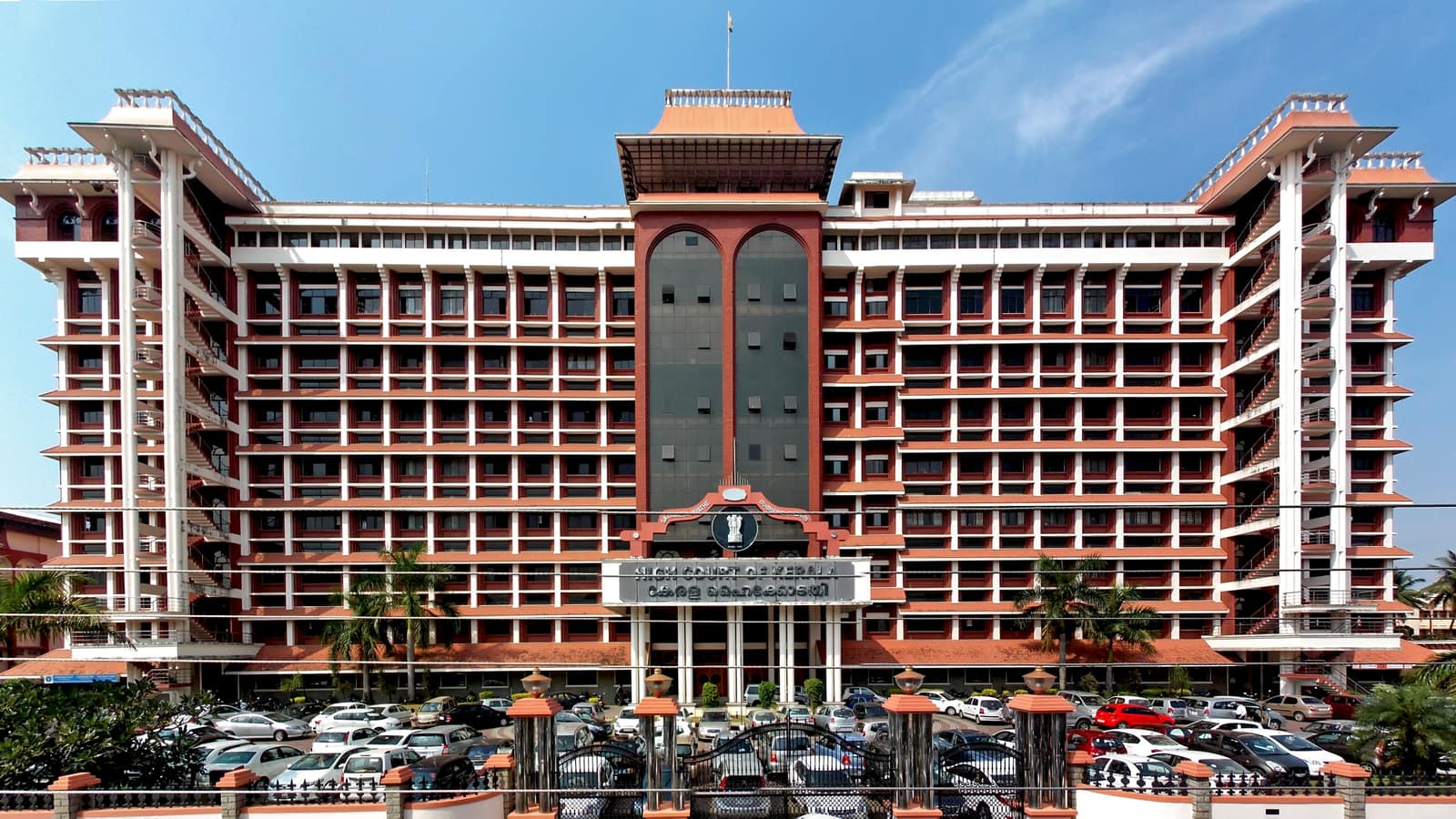
Photo: Augustus Binu / www.dreamsparrow.net / facebook / Wikimedia Commons, CC BY-SA 3.0 (cropped). File photo.
The Kerala High Court on 16 November 2026 upheld the conviction of M. Ponnachan, formerly divisional accountant, KSEB Division Office, Kottarakkara, holding that he demanded and accepted a bribe of Rs 3,000 to pass a bill in 2012. The court reduced his sentence from three years of rigorous imprisonment to one year, and his fine from Rs 50,000 to Rs 25,000 on each of two counts.
What Happened
According to the judgment, the prosecution case was that on 16 April 2012 the accountant demanded and accepted Rs 3,000 to encash a bill due to the complainant, following a demand for Rs 10,000 made on 13 April 2012. He was caught in a trap laid by the vigilance unit (VACB) in Kollam. On 30 September 2020 the Enquiry Commissioner and Special Judge, Thiruvananthapuram convicted him under Sections 7 and 13(1)(d) read with 13(2) of the Prevention of Corruption Act, 1988, and sentenced him to three years and a Rs 50,000 fine on each count.
In appeal, his counsel argued that the complainant's evidence was contradicted and that the demand was not proved. The court rejected this. It held that an independent decoy witness, a government officer with no ill will towards the accused, heard the demand and saw the money handed over. It noted that the marked notes were recovered from his pant pocket and that his left-hand fingers turned the test solution pink. The court held that the prosecution had proved both demand and acceptance.
Because the offences were committed before the minimum sentence was raised, the court modified the sentence to one year of rigorous imprisonment and a Rs 25,000 fine on each count, running concurrently, with three months more in default of each fine. It cancelled his bail and directed him to surrender before the Special Court forthwith.
What It Means
The ruling shows that a bribery conviction can stand on the evidence of an independent witness to the trap, supported by the recovery of the money, even where the complainant's testimony contains contradictions. The High Court held that proof of a demand remains essential to these offences.
Anyone asked for a bribe by a public official can report it to the state anti-corruption bureau; Oquilia's guide lists every state's helpline at https://www.oquilia.com/report-a-bribe.
Source: High Court judgment
Sources & Citations
- High Court judgment — Kerala High Court